


Welcome to ArchiOmni
Partnering with architects from the earliest concept and tender stages right through to delivery, we integrate inclusive and neurodivergent-aware design solutions into every step—ensuring spaces are functional, flexible, and welcoming for everyone.
Empowering Architects to Design for All Minds
Bridge the critical gap between traditional architecture and the unique needs of neurodiverse users, ensuring your projects are truly inclusive and future-ready.
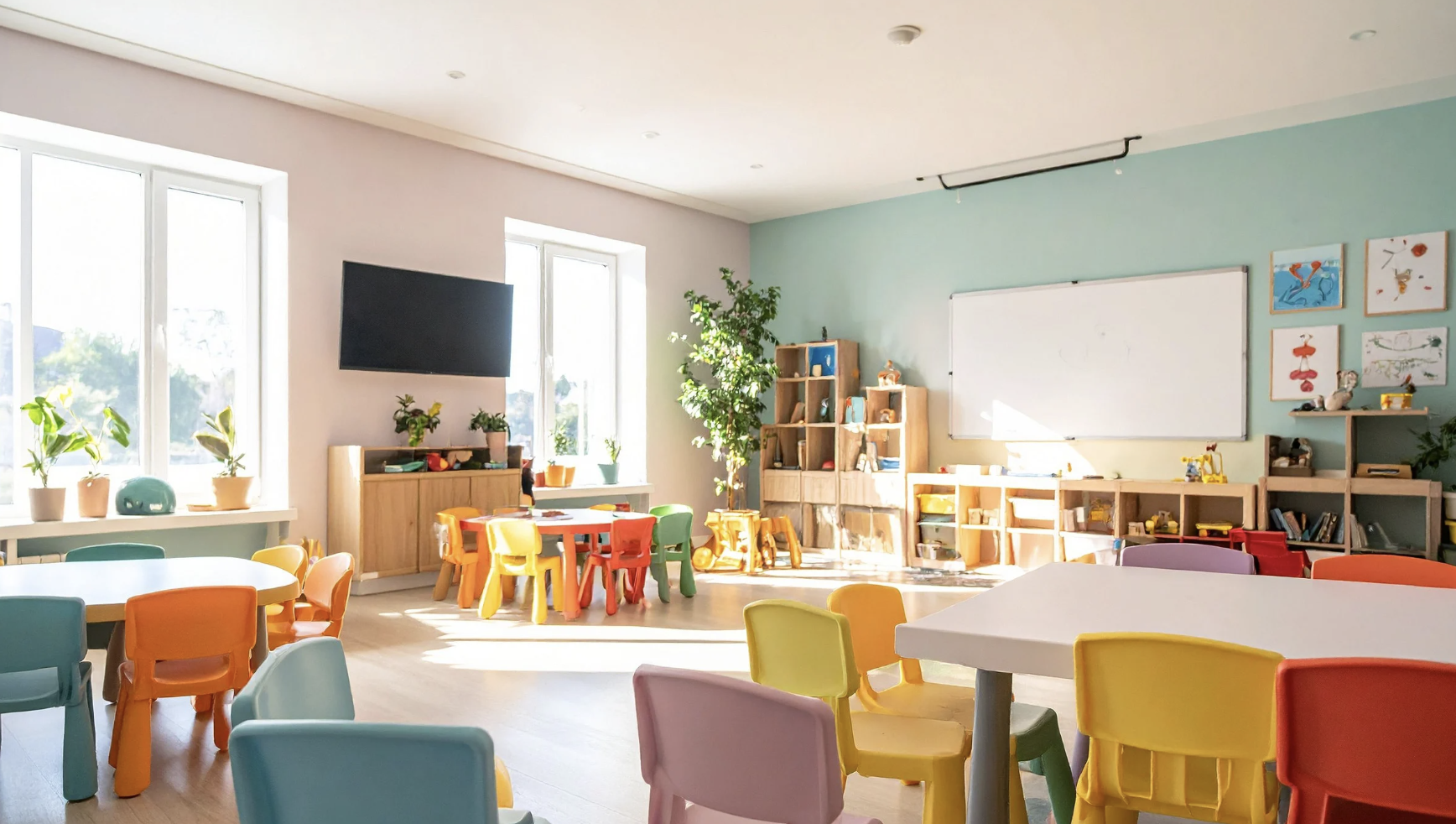

Your Competitive Advantage: Structured, Evidence-Based Consultation
Architectural firms risk critical blind spots when designing for neurodivergent individuals in key sectors like education and public buildings. By partnering with a specialist Neurodivergent Architectural Consultant, your firm gains credibility in tenders and a powerful competitive edge.
We provide an evidence-based approach through a structured framework for space evaluation that demonstrates measurable, practical compliance:
• Win More Tenders: Inclusive design is a key evaluation criterion for government, schools, and community projects. Projects that show measurable inclusivity align directly with government funding and school accountability requirements.
• Reduce Project Risk: Early consultation prevents unintentional oversight of key elements, such as acoustic zoning or proper lighting controls, which avoids costly redesigns, retrofits, and delays later in the process.
• Design Innovation: We introduce fresh, people-focused solutions, including sensory retreat spaces, acoustic zoning, biophilic design elements, and adjustable furniture layouts, positioning your firm as a leader in innovative architecture.
Our comprehensive Space Evaluation Framework includes assessments across:
• Acoustics (insulation, soft materials, quiet spaces)
• Lighting (glare/flicker control, dimmable fixtures, natural light balance)
• Wayfinding (clear signage, landmarks, intuitive navigation)
• Sensory Rooms & Retreat Zones (spaces to isolate, de-stress, and re-regulate)
• Colours & Patterns (calming tones, non-reflective materials, reduced clutter)
The Inclusivity Imperative: Why Neuro-Aware Design is Now Mainstream
Inclusive design is no longer niche—it is a mainstream procurement requirement.
In 2024, over one million Australian students (25.7% of all school enrolments) received some form of educational adjustment under the Nationally Consistent Collection of Data on School Students with Disability (NCCD). A quarter of all Australian students require adjustments to participate effectively at school, and the majority of these adjustments relate to learning differences, neurodivergence, sensory needs, and cognitive processing styles.
Firms that cannot demonstrate specialist capability in creating neurodivergent-inclusive spaces—with appropriate lighting, acoustics, wayfinding, and sensory zones—risk losing competitive bids.
We help you meet this growing demand by translating lived experience and best-practice research into high-quality, measurable outcomes.



Past
Neurodiversity was not recognised as a concept, and few understood why some people thought or behaved differently from the majority. Neurodivergent individuals were viewed primarily through a narrow, clinical lens and were often judged rather than understood. They were labelled as strange, non-conforming, and were frequently excluded rather than accepted.
There was little empathy, understanding, or tolerance for why neurodivergent people are the way they are, and many continue to face shame and stigma. Neurodivergent individuals are often made to feel small, unwanted, lonely, neglected, and even persecuted. In order to be accepted, many feel compelled to mask their true selves and perform a version of identity that feels more acceptable to others.
Family members and others close to neurodivergent people may also experience shame because of societal prejudice and may distance themselves to avoid judgement. Some do not want to be seen in public with their neurodivergent relatives and may attempt to hide them from the public eye. These reactions reflect broader social attitudes rather than any failing on the part of neurodivergent individuals.
The wider public often views neurodivergent people negatively, seeing them as non-conforming, disruptive, or attention-seeking. Many people still approach neurodiversity primarily from a clinical perspective, treating it solely as a disability to be corrected. There is a strong pressure to convert neurodivergent people conform to existing social norms, and even the design of buildings and public spaces rarely considers or accommodates their sensory and cognitive needs.

Current
Since Judy Singer first articulated the concept of neurodiversity, interest in understanding it has grown significantly. There is now far greater emphasis on research and education about differences in how brains function.
Many neurodivergent people feel more empowered as awareness increases and diagnostic tools improve. One person, diagnosed as autistic at the age of 73, reflected, “After all those years of not understanding why I did not fit in… now I know why,” capturing the relief and validation that a late diagnosis can bring. With a clearer understanding of their neurology, neurodivergent individuals often feel less “strange” and more able to recognise and celebrate their differences.
Relatives who learn about neurodiversity tend to become more understanding, accommodating, and tolerant. As research and education continue to expand, acceptance of neurodivergent people is likely to grow within families and communities.
The wider public is also slowly becoming more informed about neurodiversity. As attitudes shift, this evolving mindset forms the foundation for more genuine inclusion in society.
In the field of architecture and design, neurodiversity is beginning to be considered, though this process is still in its early stages. At present, when such needs are addressed, it often occurs as an add-on rather than an integral part of the initial design concept.

Future
Neurodivergent people feel genuinely included in society. They experience a sense of confidence, happiness, and consideration, and can express themselves freely without having to conform to narrowly defined expectations.
Relatives of neurodivergent people celebrate a deeper understanding of differences in how brains work. They no longer think in terms of “us and them”, but recognise that diverse ways of processing the world are a natural and valuable part of human variation.
Within the wider community, stigma surrounding neurodiversity has been greatly reduced. People either understand, or actively seek to understand, what neurodiversity means, and they are more open to and supportive of accommodations that meet neurodivergent needs.
There is a growing recognition that when environments are designed with neurodivergent and disabled people in mind, they also become more comfortable and accessible for neurotypical people. Neurodiversity is considered from the earliest stages of design, and spaces are thoughtfully shaped to minimise sensory and emotional triggers so that neurodivergent people feel welcomed, safe, and fully included.