Sensory profiles
A sensory profile describes how an individual processes sensory information and responds to sensory stimuli in daily life. It helps identify sensory processing patterns that influence behavior, participation, and comfort across different environments like home, school, and community. The sensory profiles are divided into four types - sensory seeking, registration / bystander, sensory avoiding, and sensory sensitive. These reflect how a person reacts to sensory input, either by craving it, avoiding it, being easily overwhelmed, or missing sensory cues.
Sensory profiles assess responses across multiple senses including sight, hearing, touch, taste, smell, movement (vestibular), body awareness (proprioception), and internal bodily sensations (interoception). The profile helps outline whether someone has a high or low neurological threshold for sensory input and whether their responses are active (seeking or avoiding) or passive (sensitive or registering).
People have different sensory profiles because of variations in how their brains receive, interpret, and respond to sensory information. These differences stem from neurological factors such as how sensory signals are processed at a neural level, how brain circuits connect and communicate, and how sensory input is filtered and modulated. In some individuals, there may be an imbalance in excitation and inhibition within the brain, meaning that sensory stimuli can feel either overwhelming (hypersensitive) or underwhelming (hyposensitive). Differences in neurotransmitter levels, neural connectivity, and brain regions responsible for sensory integration—like the cortex, cerebellum, and limbic system—can affect sensory processing patterns. Genetic factors, developmental experiences, and sometimes brain injuries also shape how sensory processing works. As a result, each person's sensory profile reflects a unique combination of these neurological influences, determining whether they seek sensory input, avoid it, are easily overwhelmed, or fail to register sensory cues.
These profiles are valuable to understand individual sensory needs without labelling any pattern as good or bad. Everyone has a unique combination of sensory processing characteristics (1).


Hypersensitive
Hypersensitive, over sensitive, is when a person is sensitive to stimuli and can be overwhelmed heightened sensitivity to sensory stimuli. It causes the person to react excessively when exposed to ordinary levels of sensory input. These stimuli can sometimes cause physical pain or emotional distress. The person’s reaction may be avoiding or controlling the exposure to the stimuli.
There are two types of hypersensitivity – sensory sensitive or sensory avoiding.
Sensory sensitive sensory profile describes individuals who detect and react to sensory stimulation more easily and intensely than most people due to their low neurological threshold for sensory stimulation. This means ordinary stimulation can be overwhelming, distracting, or distressing. They can be startled easily at sudden noises, physically ill from strong smells, or sensitive to particular textures in clothing or touch. Their responses are usually passive, rather than actively avoiding the uncomfortable stimuli input. They will silently endure the discomfort, with muscle tensing or fidgeting. Their refusal to reject the negative effect on their bodies lead to fatigue, anxiety, and emotional withdrawal after extensive sensory input.
Sensory sensitive people can be affected by any or all the senses. They can struggle to filter out sensory input that is not useful and find it hard to concentrate. Sensory sensitivity people can find bright lights may cause headaches or discomfort; background noises can feel loud or distracting; clothing tags, seams, or light touches can be irritating or painful; strong odours or flavours can provoke nausea or avoidance; activities like spinning, swinging, or jumping may be resisted due to discomfort or caution; and body signals, such as hunger or fullness, may be overly intense or hard to interpret.
By providing respite from sensory input such as quiet spaces, reduced lighting, or sensory tools, it can help those with sensory sensitivity feel more comfortable and supported.
Sensory avoiding sensory profile describes individual are like sensory sensitive individuals. The difference is sensory avoiding individuals actively withdraw from or attempt to reduce exposure to sensory stimuli that feels overwhelming or uncomfortable. They may react strongly to sounds, lights, textures, smells, or crowded spaces by avoiding them, covering ears, refusing certain foods or clothing, or seeking quiet, predictable environments. When faced with excessive sensory input, they may shut down or withdraw as a coping mechanism. Their preference for minimal sensory stimulation can influence daily routines, social activities, and participation in new experiences.
Calming, predictable, and sensory-friendly environment minimises overwhelming stimuli input. Further tools like noise-cancelling headphones, and sunglasses can be employed to help regulate sensory input. Supporting self-regulation skills by encouraging breaks in quiet and comfortable spaces will help mitigate stresses.
Hyposensitive
Hyposensitive, under sensitive, is when a person is under-responsive to stimuli and needs more intense sensory stimulation to register sensory stimuli such as sound, touch, sight, taste, or smell. Their nervous system responds less than typical to sensory input from the environment. They may not notice pain, or temperature changes. They may appear indifferent or unaware of sensory stimuli that most people find noticeable or even overwhelming.
They may appear indifferent or actively seek sensory input to compensate for the reduced sensory feedback their brain receives.
There are two types of hyposensitivity – registration/bystander or sensory seeking.
Registration or bystander sensory profile describes individuals who have high threshold for sensory input but respond passively. They may miss sensory cues, under-respond, or respond slowly to sensory information in their environment. They may not notice things that others do, such as sounds, sights, or social cues, and can focus even in a rich sensory environment without being distracted. For example, they might not hear their name being called, miss visual details like facial expressions or gestures, or fail to register when something important is happening around them. Registration or bystanders do not actively seek sensory stimuli input even if they know they might benefit from increased or more intense sensory input to help them register sensory information better in daily activities such as listening to music whilst the teacher is teaching in class. Their nervous system requires more intense or frequent sensory experiences to engage or respond effectively.
Strategies can be employed to support their sensory needs by encouraging the additional sensory input to focus on other tasks. This includes providing sensory input proactively through planned sensory activities such as heavy work (pushing, pulling, carrying), movement breaks, or deep pressure input, which can enhance body awareness and alertness. A customisable multisensory space that can provide increase in visual, auditory, and movement sensory stimulation may allow the individual to self-control their sensory input needs. By increasing tactile and proprioceptive input, it will assist them process sensory information more effectively in daily life.
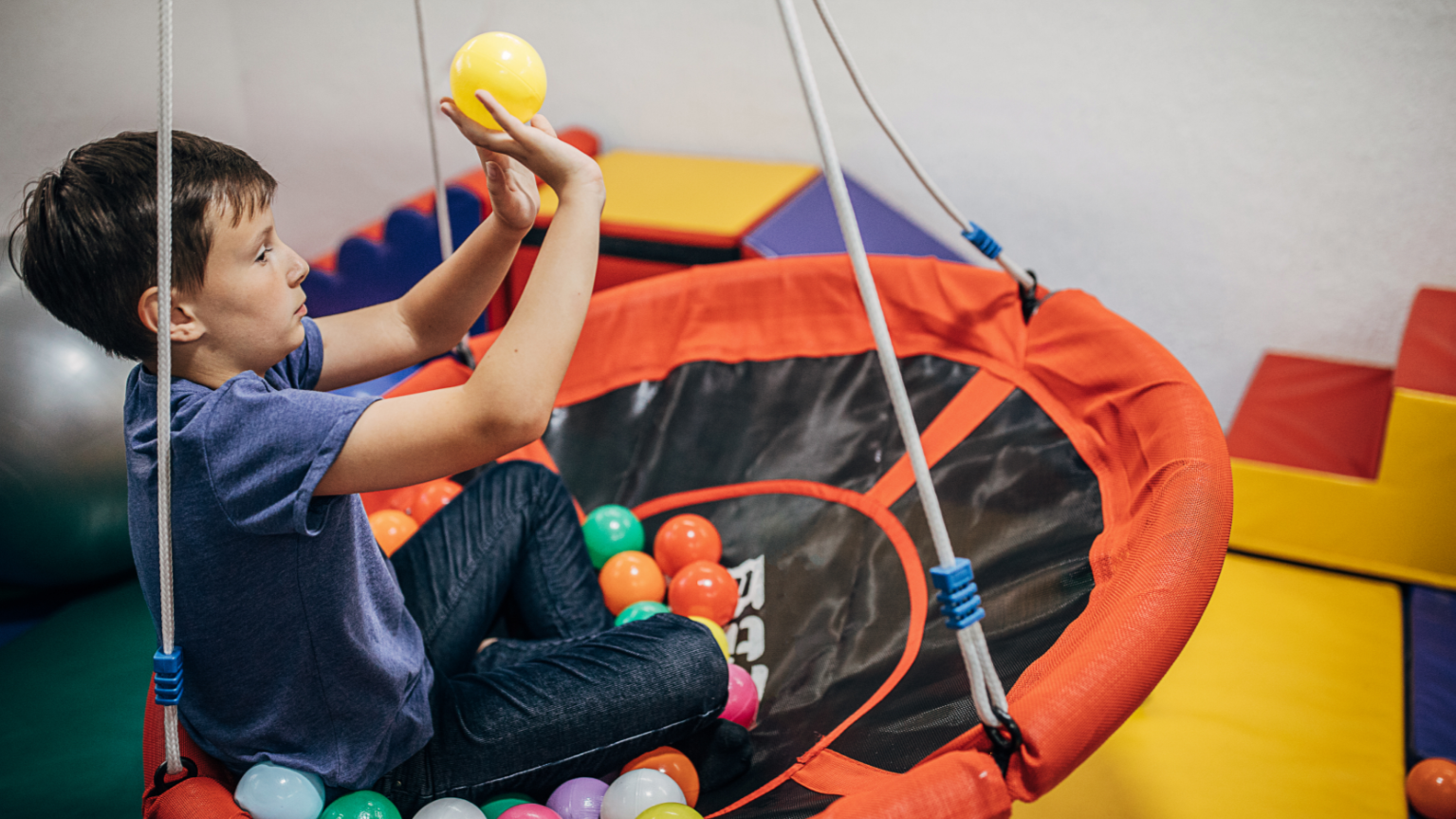
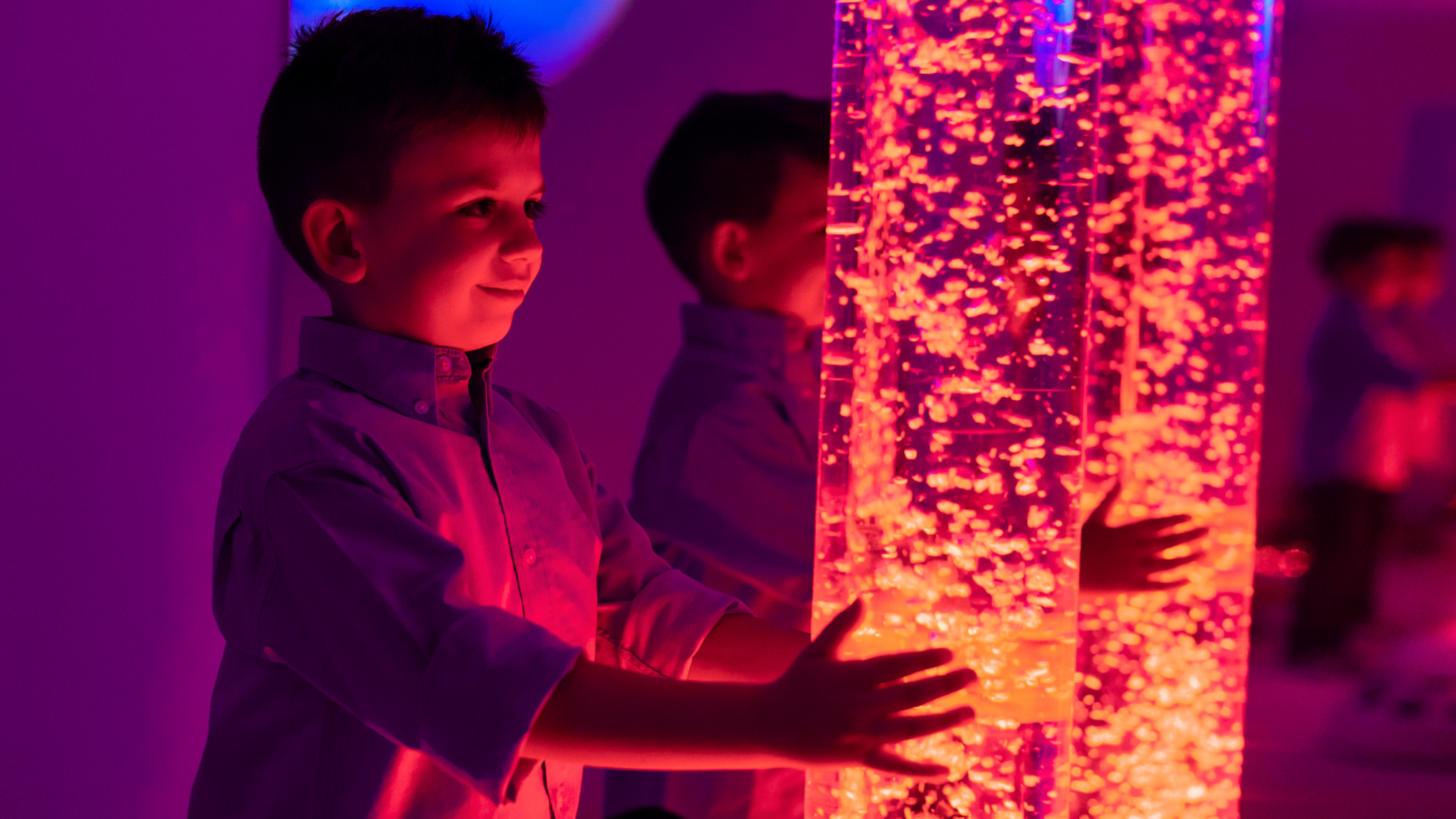
A sensory seeking sensory profile are similar to registration or bystander sensory profile. Sensory seeking profile individuals actively crave or seek out sensory input because their nervous system requires more intense or frequent stimulation to feel regulated and alert. These individuals often have a high neurological threshold, meaning they do not easily register or respond to sensory information, so they engage in behaviours that provide strong sensory experiences. Common characteristics of sensory seekers include constant movement such as rocking, fidgeting, jumping, or spinning; touching everything within reach; seeking deep pressure like tight hugs or compression; enjoying loud noises and intense lights; and sometimes engaging in risky or rough play. They may exhibit a high tolerance for pain, poor awareness of their own strength, and a tendency to be restless or unable to sit still. Sensory seeking behaviours serve as a way for these individuals to self-regulate, maintain focus, and satisfy their sensory needs, but they can sometimes be misunderstood as hyperactivity or behavioural challenges. Understanding sensory seeking helps in providing appropriate support and strategies to enhance well-being and functioning.
To support individuals with a sensory seeking sensory profile, the built environment can be thoughtfully designed to provide safe and satisfying sensory experiences. Spaces should include areas that encourage movement, such as open zones for jumping, swinging, climbing, or rocking, which provide important sensory input related to balance and body awareness. Tactile engagement can be enhanced with varied textures on walls, floors, and furniture to encourage exploration and sensory integration. Multisensory environments incorporating adjustable visual, auditory, and olfactory stimuli can stimulate the senses without overwhelming, such as gentle soundscapes or nature-inspired scents. Interactive sensory zones equipped with tools like weighted blankets, fidget toys, and soft play equipment can offer opportunities for self-regulation. The design should balance stimulating spaces with calm areas, allowing individuals to choose their preferred level of sensory input. Including natural elements like plants, natural light, and water features can create a calming yet engaging atmosphere. Finally, flexible lighting and sound systems enable users to adapt the environment according to their sensory needs. This sensory-conscious architectural approach supports emotional regulation, focus, and overall well-being for sensory seeking individuals.
Sensory profile and the built environment
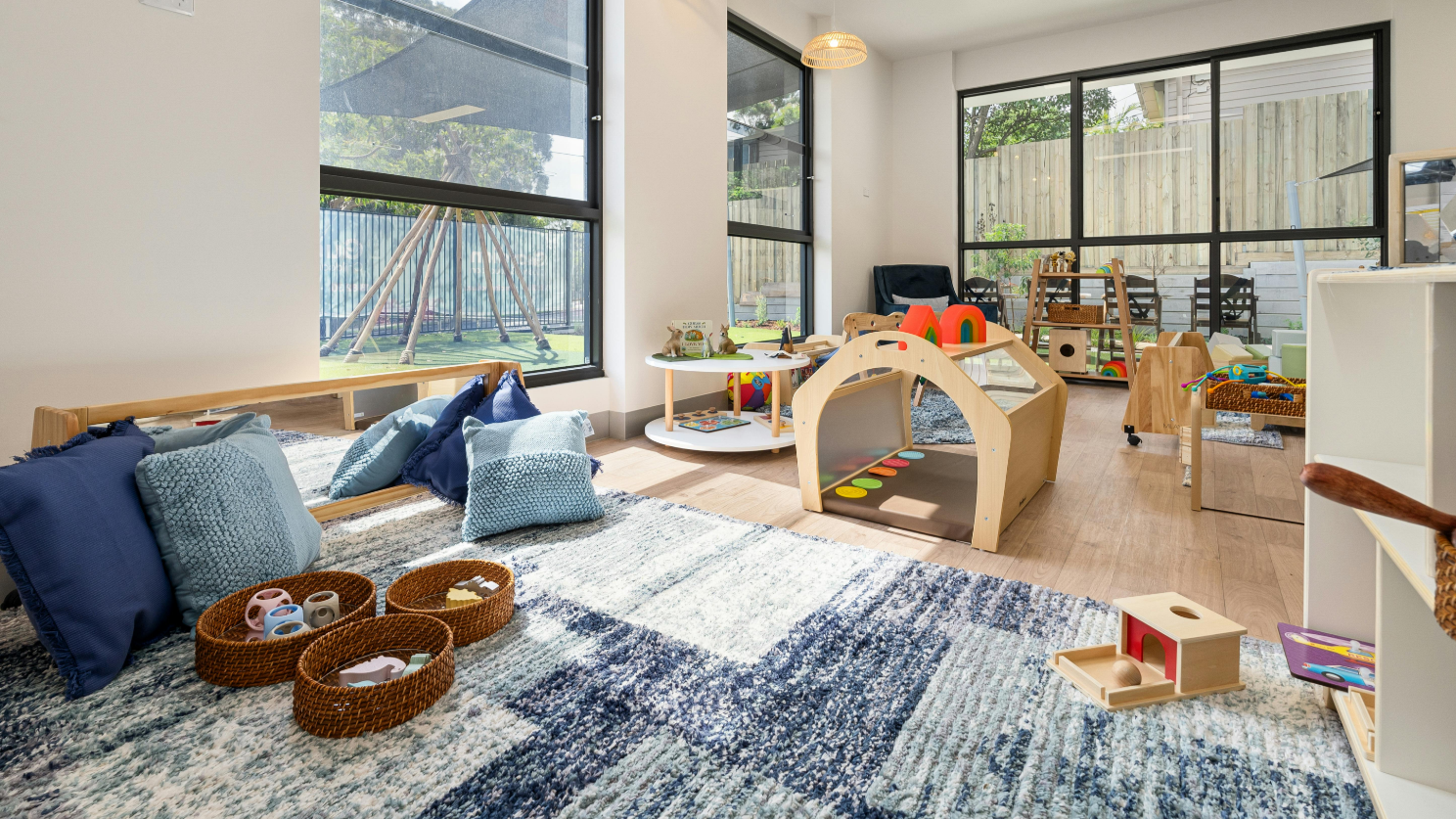
By understanding how sensory differences may impact a person’s wellbeing, the built environment can be designed to be more flexible so it is more accommodating to maximise the potential of an individual so they feel more supported with regards to everyday tasks, learning, engaging regardless of their sensory profile.
While sensory profiles significantly influence how a person experiences and interacts with their environment—especially for those with sensory processing differences—the built environment impacts everyone to varying degrees. Factors such as lighting, noise, spatial layout, temperature, air quality, and materials play a role in the comfort, well-being, and productivity of all users, both neurodiverse and neurotypical.
Designing environments that accommodate a broad range of sensory needs can improve accessibility, reduce stress, and enhance experiences for everyone. In fact, environments designed to support the most sensory-sensitive individuals often benefit the larger population as well by creating more comfortable, inclusive, and flexible spaces. Thus, the relationship between people and the built environment is broad, with sensory profile being one important factor among many, influencing how people perceive and function within a space.
Reference:
Passarello, N., Tarantino, V., Chirico, A., Menghini, D., Costanzo, F., Sorrentino, P., Fucà, E., Gigliotta, O., Alivernini, F., Oliveri, M., Lucidi, F., Vicari, S., Mandolesi, L., & Turriziani, P. (2022). Sensory processing disorders in children and adolescents: Taking stock of assessment and novel therapeutic tools. Brain Sciences, 12(11), 1478.