
The Brain
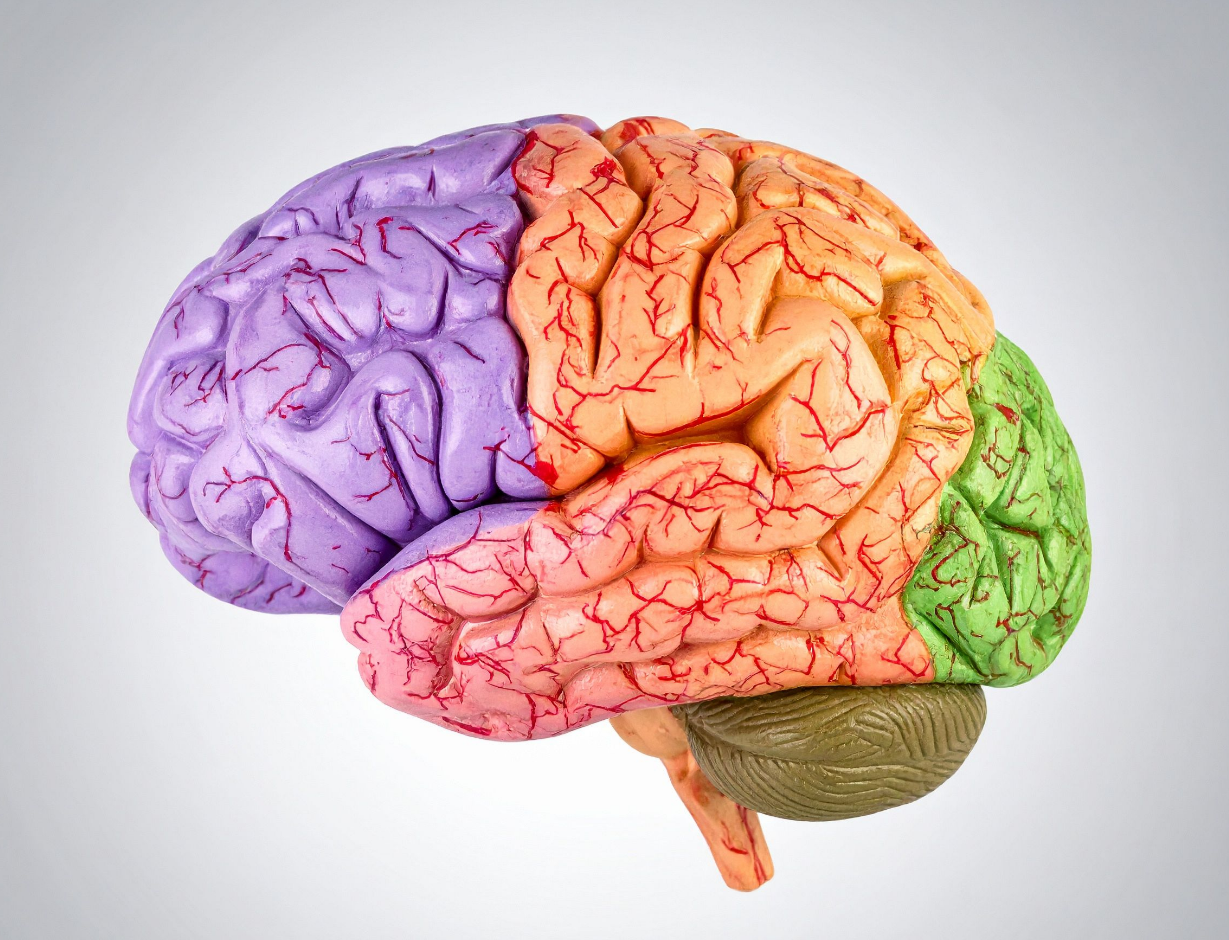
To understand a neurodivergent brain, first we must understand how a neurotypical brain works.
The human body is controlled by the most complex organ in the body - a control centre, the brain. The brain is approximately 1.3 to 1.4 kilograms. This is about 2% of an average person’s body weight. It is about the size of two clenched fists. Brain tissue is made up of about 100 billion nerve cells, called neurons, and one trillion supporting cells.
The brain is usually described as grey matter, but it is more pinkish grey in colour. This is because it is rich in blood supply and its presence of nerve cells. It is protected by a bony shell, the skull, and is cushioned by protective fluid, cerebrospinal fluid (CSF).
The brain controls thoughts, emotions, and actions. It processes sensory information from our senses – sight, hearing, touch, smell, and taste. It controls and regulates essential functions such as breathing, digestion, and heart rate. It enables voluntary (walk, talk) and involuntary (peristalsis, heartbeat) movements. It facilitates speech and language and enables us to learn, store and retrieve information. The brain maintains homeostasis by regulating temperature and blood sugar levels. It processes sensory information and responds appropriately, such as reflexes. To enable reflexes, the brain is connected to the central nervous system (CNS) via the spinal cord and peripheral nerves.
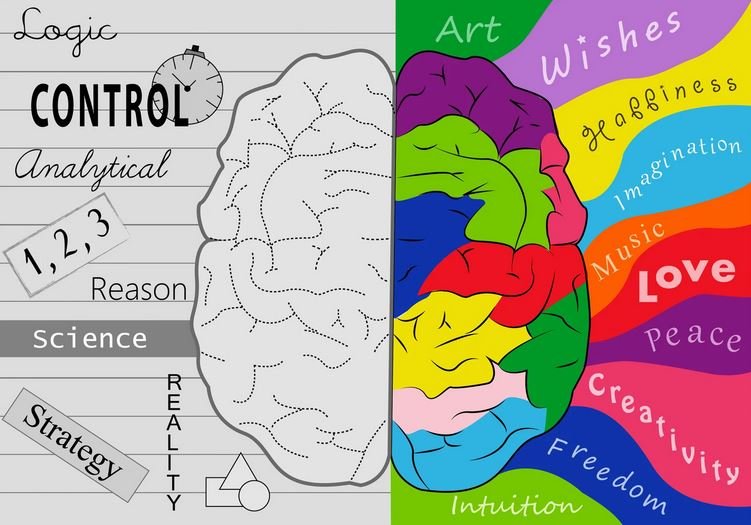
The structure of the brain
The brain is divided into three sections – the forebrain, the midbrain and the hindbrain. These three sections work together in an orchestrated and coordinated way, with each section responsible for different functions.
The forebrain
The forebrain is the largest part of the brain. It consists of cerebrum, thalamus, hypothalamus, and limbic system.
The cerebrum is the outermost layer of the brain. It is divided into the cerebral cortex, telencephalon, diencephalon and subcortical structures. The cerebral cortex is divided into four lobes - frontal, parietal, occipital, temporal; and is responsible for thought, language, and sensory processing.
The telencephalon is the most anterior part of the brain. It includes cerebrum, basal ganglia, and lateral ventricles. It is responsible for complex cognitive functions such as higher-level sensory processing (language/motor speech, speech comprehension), executive function (planning, problem-solving, decision-making, and working memory), sensory information (vision, hearing, touch, taste, and smell), and voluntary motor control (movement initiation, and motor learning). Learning, memory, and emotional processing are some of its roles. It is also responsible for emotional processing such as fear and other emotions.
The diencephalon role is sensory processing, autonomic control, movement and motor control, and other functions. Sensory processing includes sensory input relay; and process and perceive sensory impulses (heat, cold, pain, and pressure). Autonomic control includes maintaining homeostasis by regulating body temperature, blood pressure, and water balance. It communicates with the pituitary gland to release hormones, influencing various bodily functions – the endocrine system. It also helps with regulating sleep-wake cycle through the release of melatonin and other hormones. The diencephalon is responsible for relaying movement and motor control via electrical impulses from spinal cord and brainstem to the cerebrum. It contributes to movement and motor coordination. Other functions by the diencephalon include its connections with the limbic system that generate physical reactions to emotions. It also participates in reward pathways that motivate behaviours like eating and sextual activity. The changes in blood solute concentration are detected by the hypothalamus to respond to feelings of thirst and appetite.
The subcortical structure is located beneath the cerebral cortex. It is responsible for motor preparation and movement, sensory processing, processing emotional and affective responses (anger and fear), hormone production and regulation, contribute to state of awareness and alertness, cognitive function (attention, language, and executive functions), pain processing, motor control, arousal and attention, autonomic functions (regulate hormone release, body temperature, appetite), forming new memories, and process emotions (fear and aggression).
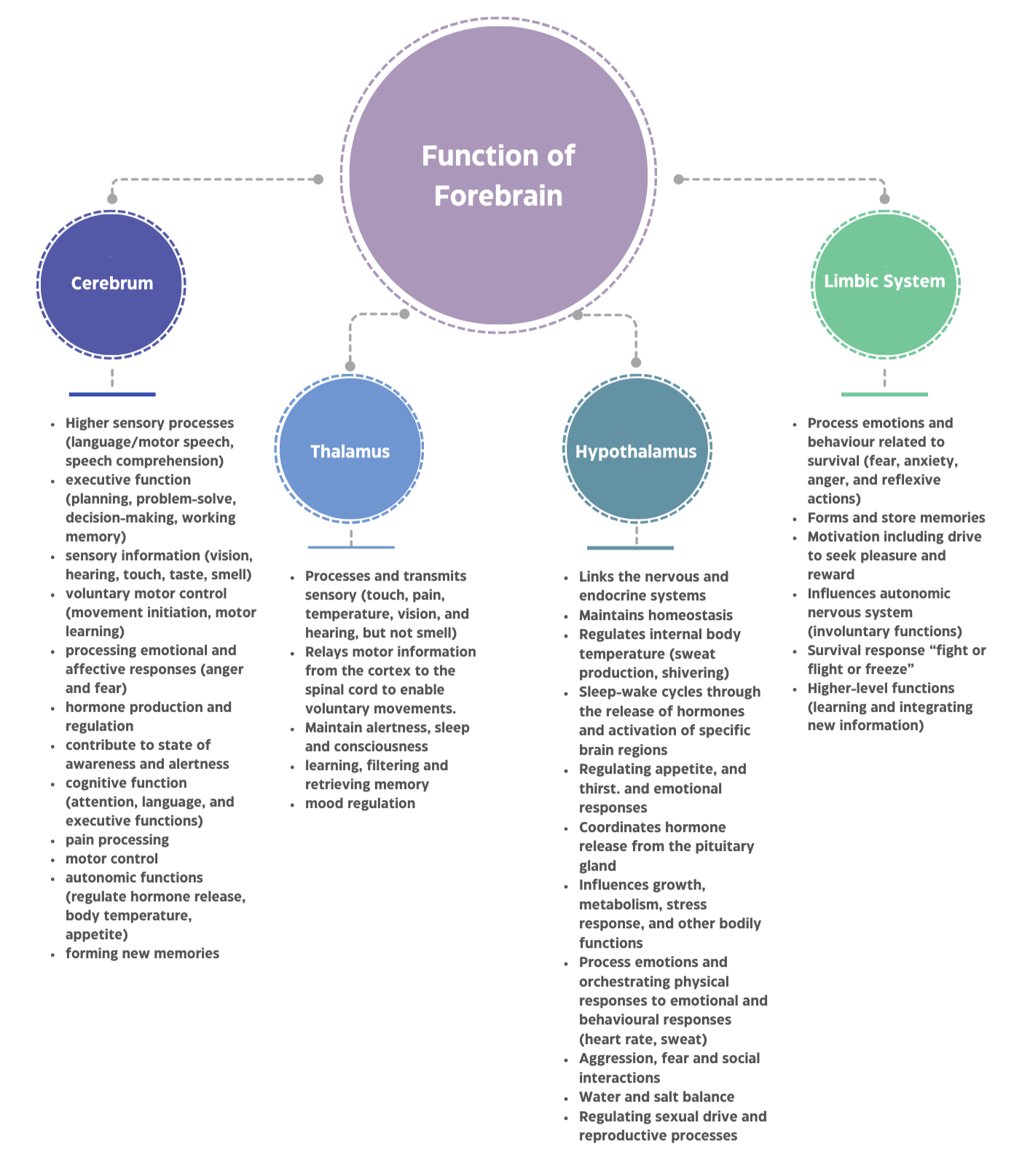
The thalamus is the brain’s central relay station. It processes and transmits sensory such as touch, pain, temperature, vision, and hearing. It does not process smell. It relays motor information from the cortex to the spinal cord to enable voluntary movements. Its role includes maintaining alertness, sleep and consciousness. It also is responsible for learning, filtering and retrieving memory. The thalamus enables mood regulation.
The hypothalamus is the region that links the nervous and endocrine systems. It maintains homeostasis. It regulates internal body temperature by adjusting sweat production, shivering, and other responses. It assists with sleep-wake cycles through the release of hormones and activation of specific brain regions. It plays a crucial role in regulating appetite, and thirst. and emotional responses. It coordinates hormone release from the pituitary gland which influences growth, metabolism, stress response, and other bodily functions. It is responsible for processing emotions and orchestrating physical responses to emotional and behavioural responses such as heart rate increase in response to fear or stress. Aggression, fear and social interactions stems from the hypothalamus. Other functions of the hypothalamus include the body’s water and salt balance and regulating sexual drive and reproductive processes.
The limbic system is a group of brain structures located deep within the brain. It is responsible for processing emotions and behaviour that is related to survival, including fear, anxiety, anger, and reflexive actions. It is responsible for forming and storing memories. It plays a key role in motivation including the drive to seek pleasure and reward. It also influences the autonomic nervous system that controls involuntary functions like heart rate and digestion and endocrine system. Its role include behaviour like feeding, reproduction, and the survival instinct of “fight or flight or freeze” response, as well as higher-level functions like learning and integrating new information.
The midbrain
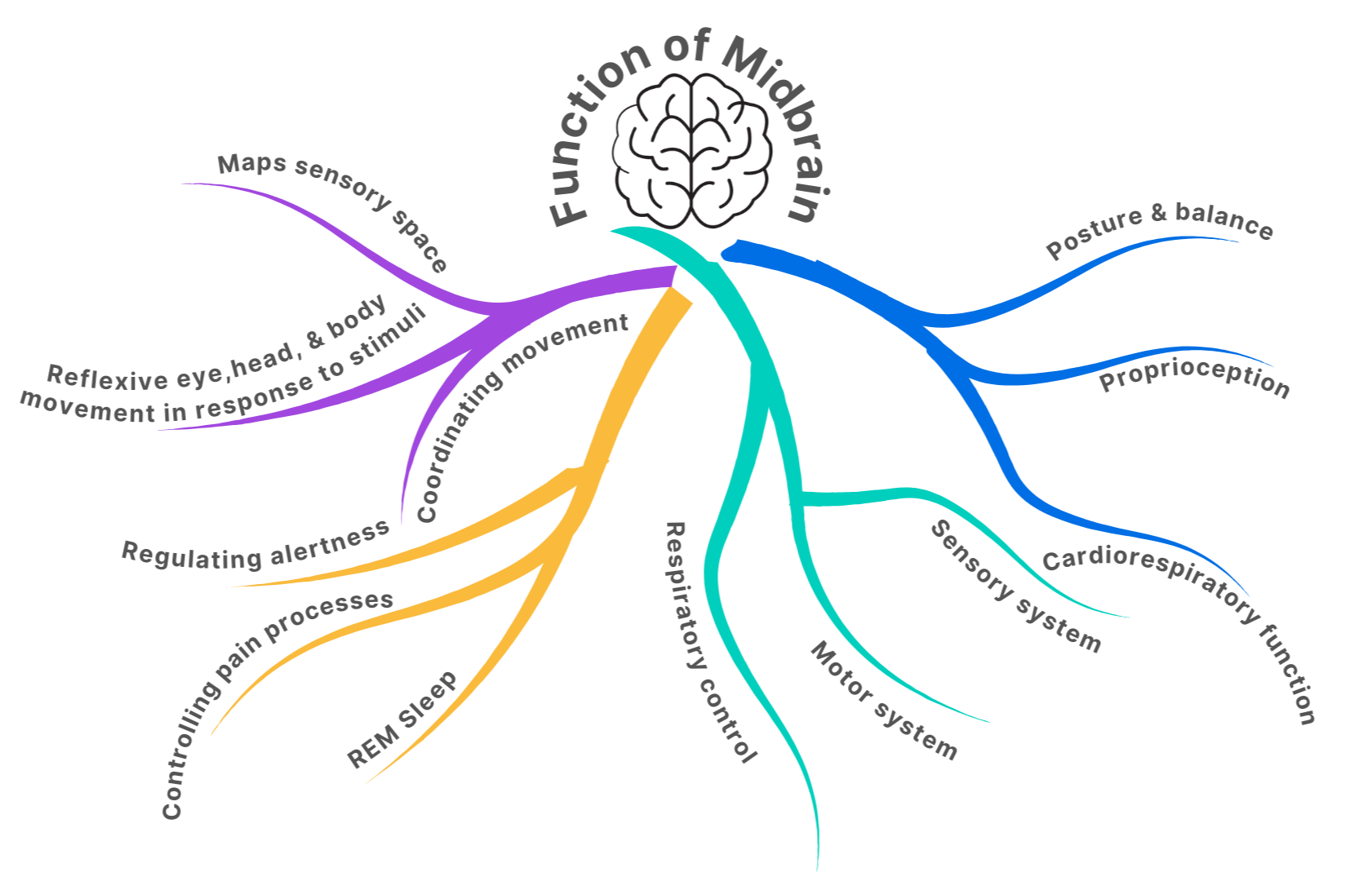
The midbrain is made of tectum, tegmentum, and cerebral peduncies. The tectum is located at the dorsal (posterior) surface, which contains the superior and inferior colliculi. It also creates maps of the body’s sensory space. This allows orienting movements. It integrates visual and auditory information and is responsible for other sensory systems such as touch. The tectum primary output is involved in reflexive eye, head, and body movements in response to stimuli. For example, orienting the eyes toward a sudden sound or moving backwards when sensing danger in front. The tegmentum is part of the brainstem. Its role includes coordinating movements, regulating alertness, and controlling pain processes including pain suppression. It is responsible for REM sleep, respiratory control, and the motor and sensory systems. It is also associated with movement coordination and pain suppression. Its role is to maintain cardiorespiratory functions and airway-protective reflexes. It contains connections that contribute to maintaining alertness and wakefulness. The cerebral peduncies are a pair of prominent structures on the front surface of the midbrain. They are involved in transmitting motor commands from the cerebral cortex to lower brainstem centers and the spinal cord for accurate control of the body’s movement, integration of sensory information that influences posture and balance. They are responsible for carrying important fibre tracts for refining motor movements, learning new motor skills, maintaining balance and posture, and converting proprioceptive information. Proprioception is the body’s sense of position and movement. The cerebral peduncies contain part of the substantia nigra which is the area that produces dopamine.
Damage to the cerebral pedencies can result in unrefined motor skills, imbalance, and lack of proprioception.
The hindbrain
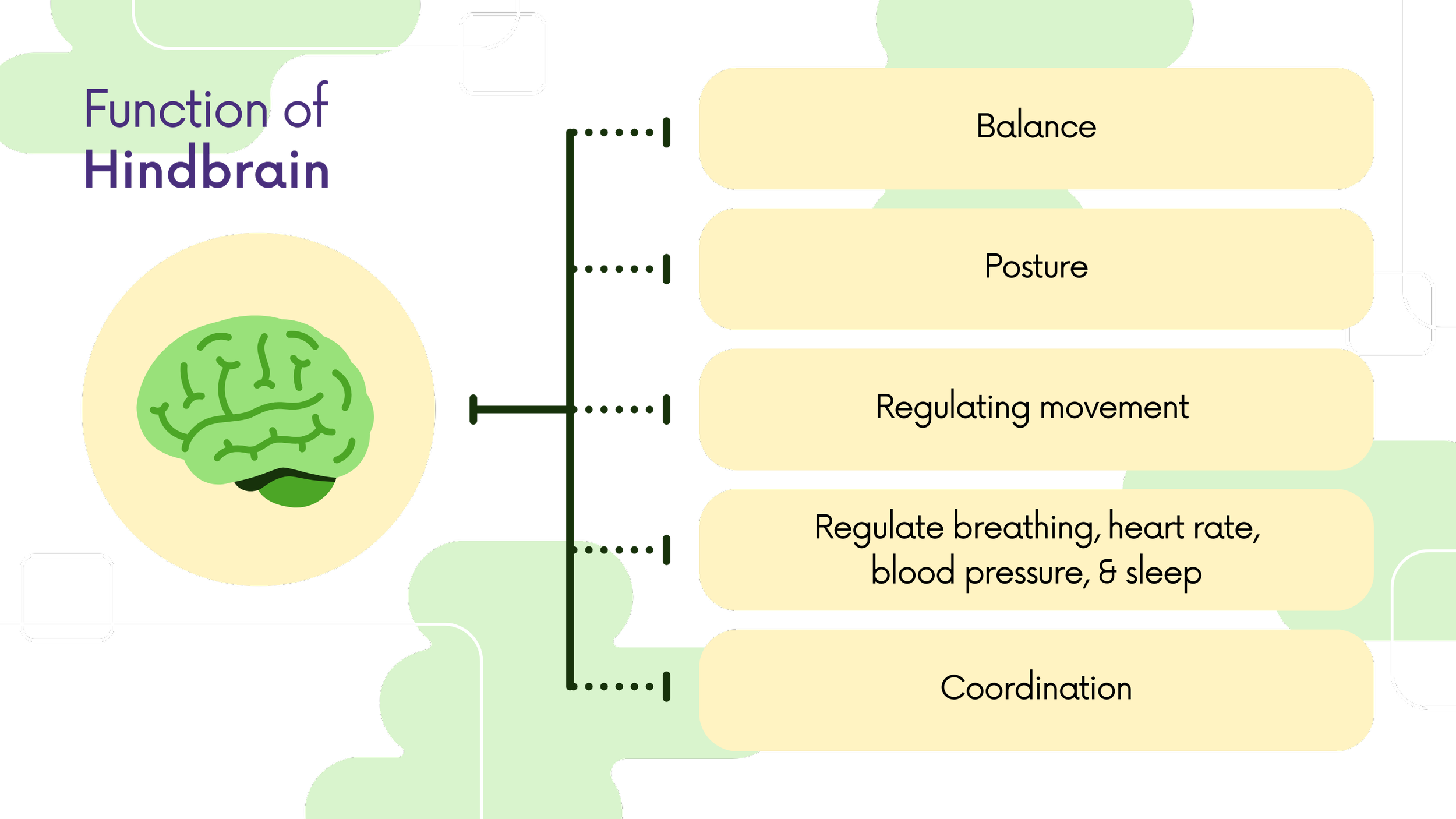
The hindbrain is located at the lower, back part of the brain, near the top of the spinal cord. It includes the brainstem and the cerebellum. It is responsible for balance, posture, and regulating movement. It connects the cerebellum to other brain regions and the spinal cord. It controls vital processes such as regulating breathing, heart rate, blood pressure, sleep and coordination.
The neuron
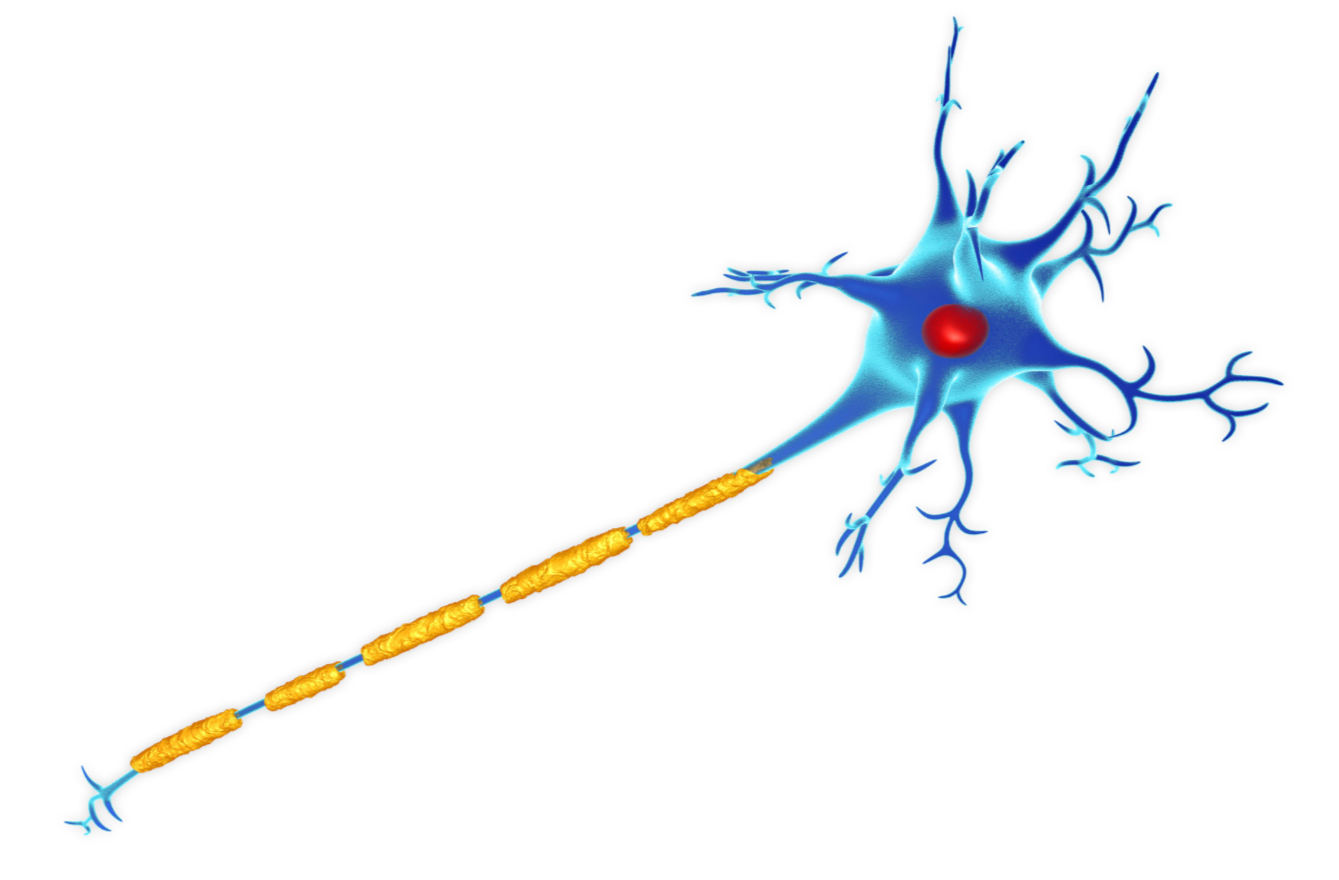
Neurons are cells that make up the brain and spinal cord, the central nervous system. They consist of the cell body, dendrites, and the axon. All sensations, movements, thoughts, memories, and feelings are the result of signals that transmitted through neurons.
They are responsible for sending and receiving electrical and chemical signals to facilitate communication and information processing throughout the body. They receive sensory information from the external world, such as touch, taste, sight, and hearing. They receive, process, and integrate signals. They transmit signals from brain and spinal cord to muscles and glands and enable movement and other bodily functions. Frequent communication between neurons can strengthen connections, making it easier to transmit signals and contributing to the development of learning and memory. They also play a crucial role in simple reflexes, allowing for rapid responses to stimuli.
Neurotransmitters
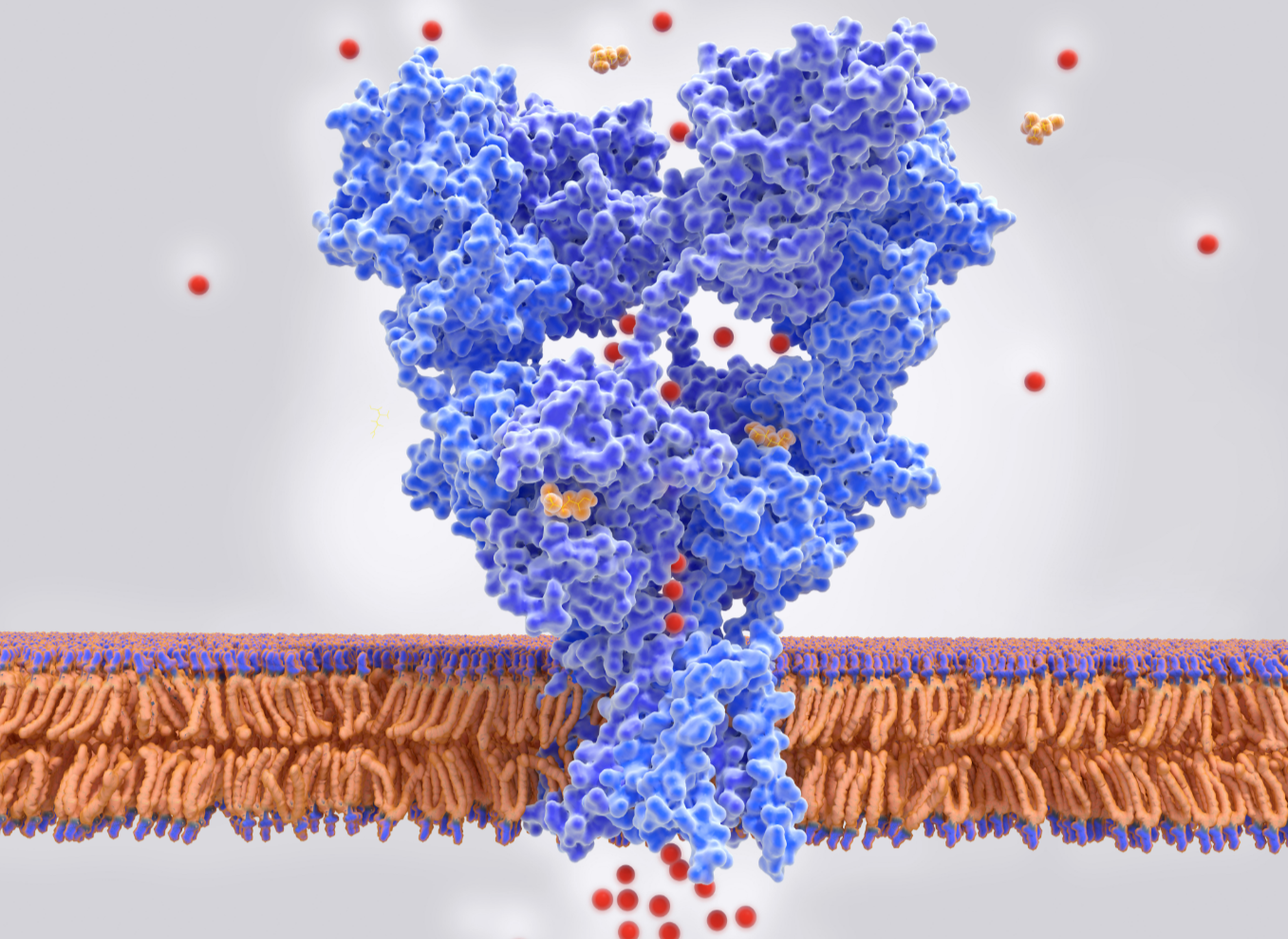
There are over 100 neurotransmitters, and some are exciting yet to be discovered. They are chemicals brain cells need to communicate with each other. Some neurotransmitters make cells more active (excitatory) whilst others block or dampen a cell’s activity (inhibitory).
Key neurotransmitters include dopamine, serotonin, glutamate, norepinephrine, epinephrine, and GABA.
Dopamine’s (excitatory or inhibitory inhibitor) role is for motivation, decision-making, movement, and reward processing. To increase dopamine naturally, it is recommended to exercise, a balanced diet rich in tyrosine and probiotics, getting enough sleep, reducing stress, and engaging in enjoyable activities like music or spending time outdoors. Tyrosine-rich food includes lean protein (chicken), dairy products (milk, yoghurt), avocados, bananas, and seeds (pumpkin, sesame). Consuming probiotics improve gut health and therefore increase dopamine production. Vitamin D consumption regulates dopamine regulation. Excessive saturated fat consumption interferes with dopamine production.
Physical activity releases dopamine and boosts mood. 7-9 hours of quality sleep per night increases dopamine levels. Stress reducing techniques prevents depletion of dopamine. Spending time with loved ones and engaging in social activities and enjoyable activities stimulate the brain’s reward system and increase dopamine release. The sense of accomplishment triggers dopamine release.
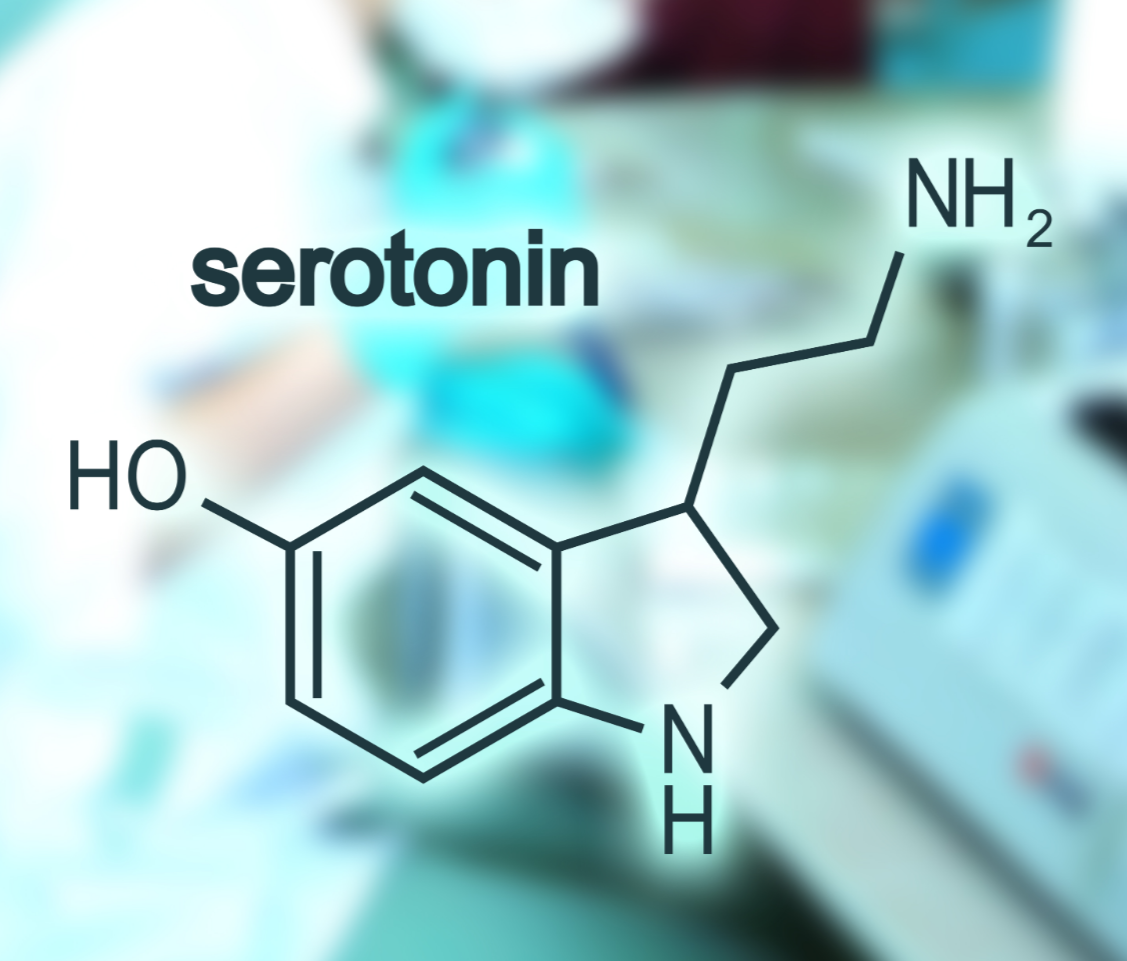
Serotonin (inhibitory neurotransmitter) is essential for overall mental and physical well-being. Maintaining balanced serotonin levels is crucial for a healthy nervous system and various bodily functions. It is responsible for regulating mood of feelings of happiness, contentment, and overall well0-being, regulating sleep cycles, influences appetite, regulating digestion, blood clotting and wound healing, maintaining bone density, influences memory and learning, and influencing sexual behaviour.
Low serotonin levels are linked to conditions like depression, anxiety, and other mood disorders. Low levels also lead to gastrointestinal issues, sleep disturbances, and other physical symptoms.
To naturally increase and positively impact serotonin levels, regular aerobic physical activity, exposure to bright sunlight or light therapy, medication and mindfulness techniques to reduce stress, and adequate sleep is required.
Serotonin is produced from the amino acid tryptophan, which is obtained through the diet. Typtophan rich food includes turkey, eggs, cheese, fruits, vegetables, tofu, nuts, and seeds especially whole grains. Consumption of typtophan rich food along with carbohydrate promotes the absorption of tryptophan into the brain.
Glutamate (excitatory neurotransmitter) is the most abundant neurotransmitter. Its role is in learning and memory, produce energy, and brain development.
Glutamate can be obtained naturally from meat and poultry especially those high in protein, fish and seafood, dairy products, eggs, vegetables, fruit, nuts, soy products, and bone broth.
Serotonin (inhibitory neurotransmitter) is essential for overall mental and physical well-being. Maintaining balanced serotonin levels is crucial for a healthy nervous system and various bodily functions. It is responsible for regulating mood of feelings of happiness, contentment, and overall well0-being, regulating sleep cycles, influences appetite, regulating digestion, blood clotting and wound healing, maintaining bone density, influences memory and learning, and influencing sexual behaviour.
Low serotonin levels are linked to conditions like depression, anxiety, and other mood disorders. Low levels also lead to gastrointestinal issues, sleep disturbances, and other physical symptoms.
To naturally increase and positively impact serotonin levels, regular aerobic physical activity, exposure to bright sunlight or light therapy, medication and mindfulness techniques to reduce stress, and adequate sleep is required.
Serotonin is produced from the amino acid tryptophan, which is obtained through the diet. Typtophan rich food includes turkey, eggs, cheese, fruits, vegetables, tofu, nuts, and seeds especially whole grains. Consumption of typtophan rich food along with carbohydrate promotes the absorption of tryptophan into the brain.
Glutamate (excitatory neurotransmitter) is the most abundant neurotransmitter. Its role is in learning and memory, produce energy, and brain development.
Glutamate can be obtained naturally from meat and poultry especially those high in protein, fish and seafood, dairy products, eggs, vegetables, fruit, nuts, soy products, and bone broth.
Norepinephrine (excitatory neurotransmitter) regulates arousal, attention, sleep-wake cycles, mood, and memory as a neurotransmitter. As a hormone, it prepares the body for stress (“fight, fight or freeze”), increases heart rate and blood pressure, and aids in energy production by breaking down fat. It acts as a vasoconstrictor, narrowing blood vessels and raising blood pressure. It ensures proper functioning of smooth muscles in internal organs, aiding in digestion and other processes.
By exercising, sleeping adequately, meditating, achieving small accomplishments, and listening to music, norepinephrine increases naturally. Eating dopamine rich food such as chocolate also increases norepinephrine.
Epinephrine (excitatory neurotransmitter), also known as adrenaline, plays an important role in the body's “fight-or-flight” response.
Epinephrine is increased naturally when one embarks on exciting and thrilling activities such as watching a horror movie, skydiving, bungee jumping, and zip lining.
Gamma-aminobutyric acid (GABA) (inhibitory neurotransmitter) is the primary inhibitory neurotransmitter in the central nervous system. It helps regulate anxiety, stress, and fear; and promotes relaxation and sleep regulation. It also regulates blood pressure, and muscle protein degradation. It acts like a “brake” in the brain by counteracting the excitatory effects of glutamate. GABA is essential for maintaining mental health. It also plays a role in motor control, particularly in the control of neuronal network oscillations within the motor cortex.
To increase GABA levels naturally, focus on consuming GABA-rich food such as fermented food (kimchi, yoghurt), fruits, vegetables, and grains, herbs and teas. Additionally, GABA levels can be increased by consuming foods that support GABA production such as glutamate-rich food (slow-cooked meat and poultry, broccoli), Vitamin B6-rich foods (garlic, brussels sprouts), and magnesium-rich foods (dark leafy greens, avocados). Additionally, incorporating stress-reducing activities like meditation, yoga, and exercise can also boost GABA levels.
Alcohol and processed food consumption, inadequate sleep, and unmanaged stress can deplete GABA levels.
Neurological disorders
The brain is one of the hardest working organs in the body. When the brain is healthy it functions quickly and automatically. But when problems occur, the results can be devastating. Examples of neurological disorders are stroke, epilepsy, dementia, and Parkinson’s Disease.
Neurodiverse is not a neurological disorder
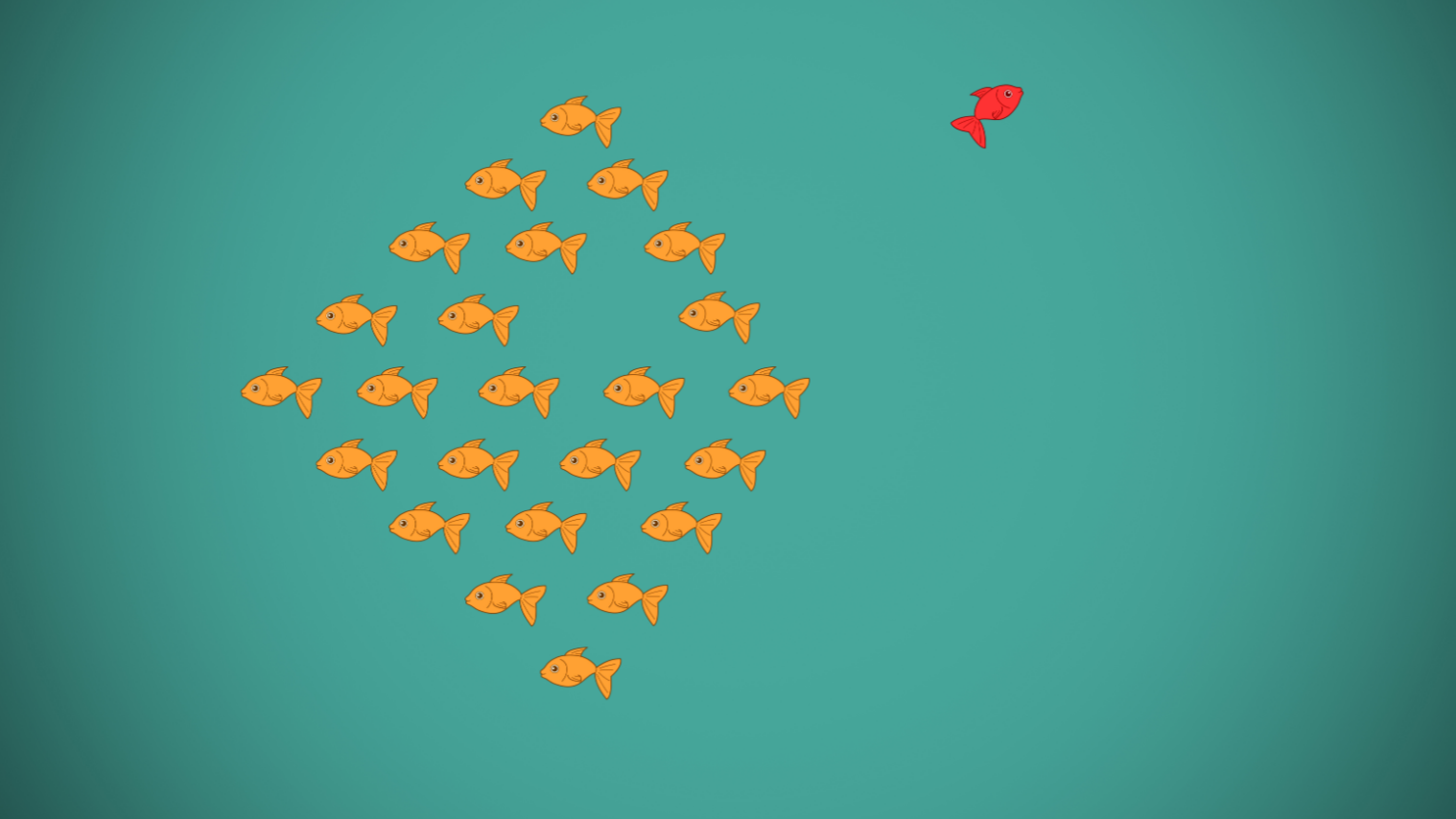
Neurodiversity is primarily about recognising the natural diversity in how brains function and process information. It acknowledges that there is no single "right" way for the brain to work, and that differences in thinking, learning, and behaviour are normal variations. The neurodiversity movement emphasises embracing these differences and celebrating the unique perspectives and strengths that neurodivergent individuals bring. Neurodiversity is not a medical diagnosis itself. Instead, it's a framework for understanding and appreciating the diversity of human brain. Neurodiversity acknowledges that these differences can impact learning, social interaction, and other areas, and that neurodivergent individuals may require specific accommodations and support to thrive. The neurodiversity movement also emphasises the strengths and unique talents often associated with neurodivergent individual. It's a movement that promotes understanding, acceptance, and inclusion of all individuals, regardless of their brain function.