Australian education system
It is estimated that 15-20% of Australian children and teenagers in the education system are neurodivergent, with common forms including ADHD (4-11% prevalence) and Autism (3-4% prevalence). More broadly, nearly 26% of all Australian school students (aged 5-18) received an educational adjustment due to disability in 2024, which includes neurodevelopmental conditions.
More specific statistics for primary school students include:
Autism:
In 2022, approximately 4.3% of children aged 5–14 in Australia were diagnosed as autistic. Research suggests that nearly every classroom is likely to have at least one autistic student.
Disability:
In 2018, around 10% of Australian school students aged 5–18 had a disability, including neurodevelopmental conditions.
Mental Health:
Between 2013 and 2014, nearly 14% of children aged 4–11 experienced a mental disorder, with Attention Deficit Hyperactivity Disorder (ADHD) being the most prevalent.
The exact figure is difficult to determine due to the reliance of voluntary self-disclosure. However, it is envisaged that this percentage will increase due to improved awareness and diagnostic capabilities, suggesting a growing recognition and diagnosis of neurodivergent individuals. As there is a shift in social attitudes towards acceptance and understanding of neurodiversity in society and workplaces, it is encouraging more individuals to seek diagnosis and support.
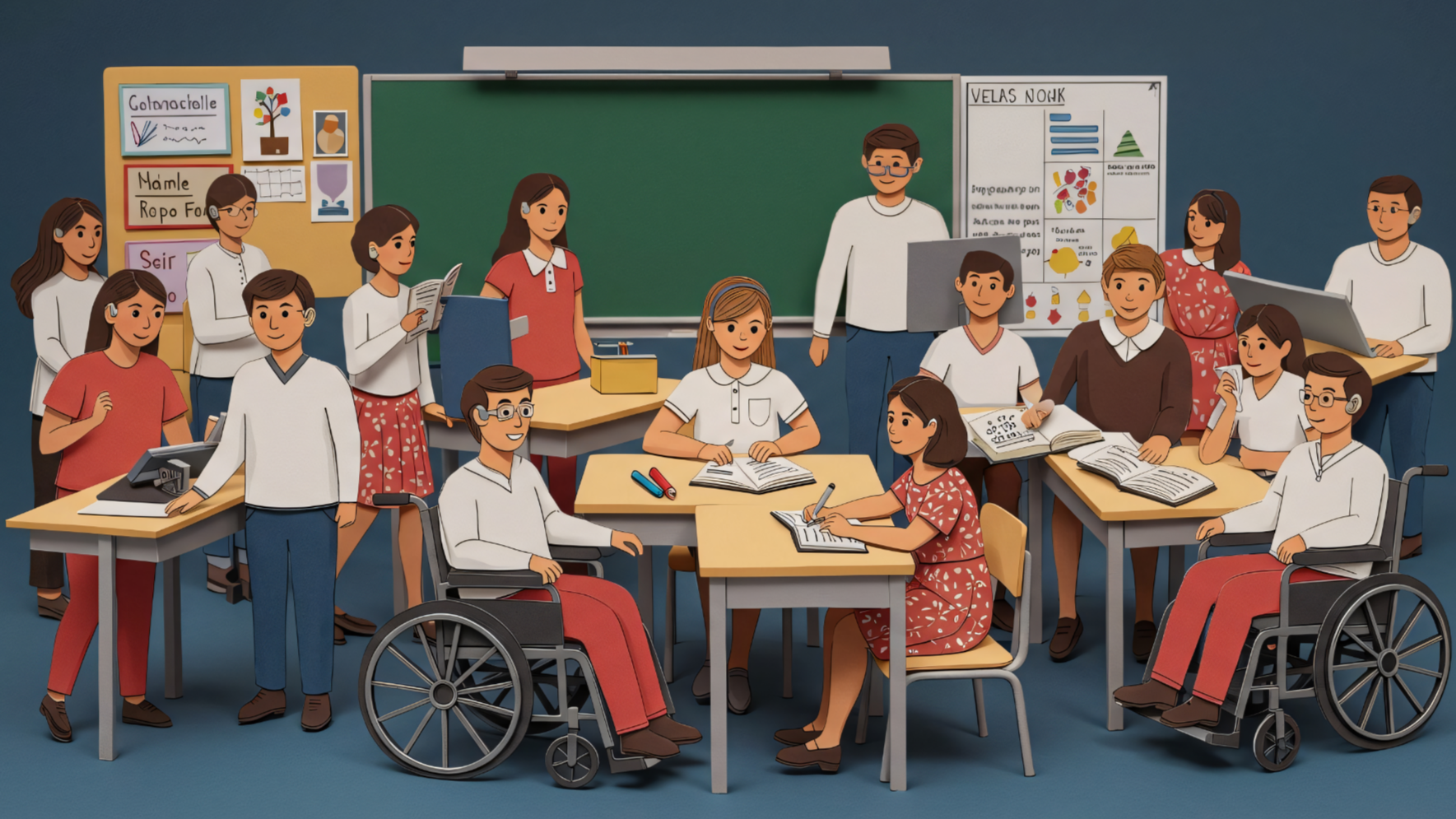
The figure presents growing challenges for educators and institutional leaders. They must start to adapt the education curriculum and infrastructure in order to meet the needs of this overlooked and diverse group. This includes educating the educators.
In Victoria, there is not an exact number for all kindergartens and preschools. Based on the numbers listed on the Yellow Pages, there are approximately 310. The state government is actively expanding its early childhood education offerings, with significant focus on building new and expanded kinder facilities, including 50 Early Learning Victoria centres and 60 new or expanded kindergartens on school sites since 2019.
In Victoria, there are approximately 1,550 government schools. This includes primary, secondary, special, and language schools. These schools educate the majority of students in Victoria, with government schools catering to 64% of the student population.
The existing education system (childcare, kindergartens and preschools, schools, TAFEs and universities) are making effort towards neurodiversity readiness with dedicated supported services, neurodiversity initiatives, legal frameworks (Disability Discrimination Act 1992 and Australian Disability Standards for Education 2005), increased disclosure, and growing awareness of neuro-affirming practices.
However, the system faces challenges in fully accommodating the needs of neurodivergent students, with issues such as lack of sufficient specialised teachers, funding for individualised learning plans, inflexible policies and practices, and existing infrastructure that are not suitable for neurodiverse students.
If neurodiverse students do not feel supported in the education system, they may experience behavioural issues, social challenges, mental health problems, increased stress and anxiety, school refusal, and even expulsion or withdrawal from mainstream education. This lack of support can lead to significant challenges for both the students and their families, often resulting in a need for alternative educational settings.
If these issues are not addressed, these challenges can significantly hinder their academic success and overall well-being.