
Sixth sense
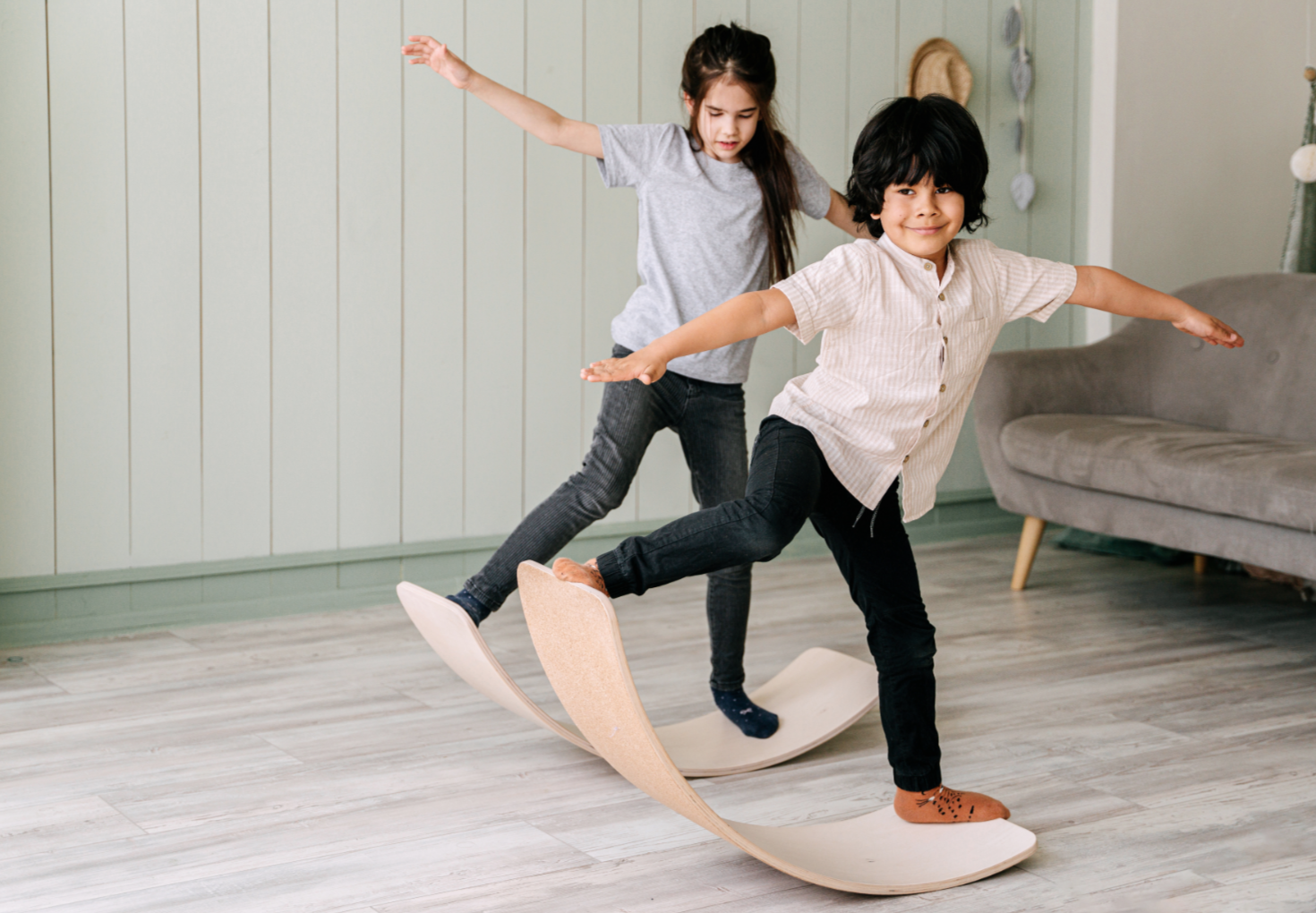
Proprioception is a sensory system that shapes how neurodiverse individuals perceive and engage with their built environment, surroundings, and community. Often called the “sixth sense,” proprioception informs the brain about the body’s position, movement, and actions in space. It plays a vital role in coordinating movement, maintaining balance, and regulating the force needed for everyday tasks. This sense allows individuals to know where their limbs are without looking and to judge the amount of force required, such as when pushing an object.
Proprioceptors, located in nerve endings within muscles, tendons, joints, bones, and skin, relay information about the musculoskeletal system’s status to the brain. Proprioception enables smooth, coordinated actions like walking, writing, and swimming, while also providing feedback on body position relative to gravity for posture and balance. It assists in spatial awareness and helps navigate environments by informing the brain of object locations and body positioning. For example, proprioception helps judge how much pressure is needed to cut a tomato without squashing it.
This sense works integrally with others, including vision and the vestibular (balance) system, to give the brain a comprehensive understanding of body position, orientation, and movement. Beyond physical coordination, proprioception also supports central nervous system functions such as organization, self-regulation, maintaining alertness, attention, and learning.
Neurodiverse individuals may experience proprioceptive challenges that affect motor coordination, spatial awareness, and social understanding (2). Each person’s neurological processing is unique, influencing how senses affect activities such as sleeping, eating, talking, and school participation (1). Sensory profiles vary and are typically categorized into four types: sensory seeking, registration/bystander, sensory avoiding, and sensory sensitive (3). Some neurodiverse people may seek or avoid intense sensory experiences based on their sensory profile.
To create neurodiverse-friendly built environments, designers must consider these unique neurological processing differences and sensory sensitivities. For instance, sensory seekers pursue a high level of sensory input and often enjoy multitasking or active movement. Those with a registration or bystander profile may require multiple sources of sensory information to register input, often appearing quiet or distracted. Sensory avoiders regulate their sensory input by steering clear of noisy or overwhelming environments, preferring predictable routines. Sensory sensitive individuals struggle to filter out extraneous sensory information, which can cause distress or difficulty concentrating.
Designing spaces that accommodate these diverse sensory needs is essential to fostering inclusive and equitable environments for all users.
Reference:
Autism Awareness Australia. (n.d.). Understanding autistic sensory sensitivities. Autism Awareness Australia. https://www.autismawareness.com.au/navigating-autism/understanding-autistic-sensory-sensitivities
Riquelme, I., Hatem, S. M., Sabater-Gárriz, Á., Martín-Jiménez, E., & Montoya, P. (2024). Proprioception, emotion and so.cial responsiveness in children with developmental disorders: An exploratory study in autism spectrum disorder, cerebral palsy and different neurodevelopmental situations. Children (Basel), 11(6), 719.
Delahunt, A., Callanan, S., O’Brien, E. C., Geraghty, A. A., O’Reilly, S. L., McDonnell, C. M., Hokey, E., & McAuliffe, F. M. (2024). Sensory processing and child appetitive traits: Findings from the ROLO longitudinal birth cohort study. Nutrition Journal, 23, 136