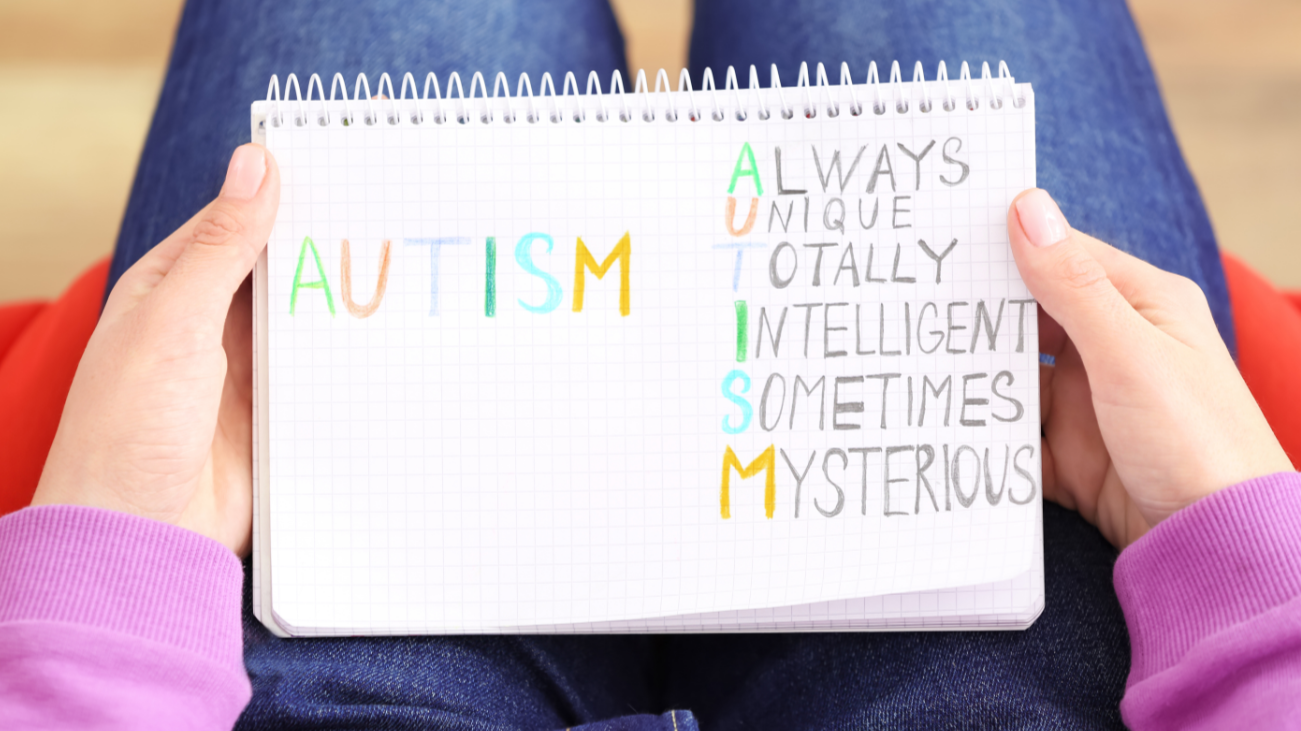
Identified neurodiverse conditions
Below are brief overviews of various neurodiverse conditions. Further research is recommended for a more comprehensive understanding.
Dyslexia
Dyslexia is a learning disorder that primarily affects reading skills. Dyslexic individuals often struggle to sound out words, particularly unfamiliar ones, due to difficulties in recognising speech sounds and understanding the relationship between letters and words.
Reading is typically slow, effortful, and inaccurate—even with familiar words. Spelling can also be challenging, including common vocabulary. Reading comprehension may be limited, especially when processing complex texts or abstract ideas.
In addition to reading-related difficulties, dyslexic individuals may have trouble with organisation, remembering dates, grasping abstract concepts, and following multi-step directions. They might also experience delayed development in fine motor skills, which can affect handwriting and the ability to copy written text.
Emotionally and socially, dyslexia can lead to frustration, low self-esteem, and difficulties in social settings—particularly if the condition goes unrecognised and unsupported.
Despite these challenges, many people with dyslexia possess strengths in visual-spatial reasoning, creative thinking, problem-solving, creativity, and big-picture thinking.
Dyspraxia – Developmental Coordination Disorder (DCD)
Developmental Coordination Disorder (DCD), also known as dyspraxia, is a neurological condition that affects both fine and gross motor skills, as well as coordination. It is characterised by difficulties in planning and executing movements, which can interfere with everyday tasks and routines.
Individuals with DCD may appear clumsy and struggle with balance, coordination, and movement planning. These challenges can impact basic daily activities such as eating, dressing, and using utensils, and may lead to difficulties in academic performance, social interactions, and overall daily functioning.
Attention Deficit Hyperactivity Disorder (ADHD)
Attention-Deficit Hyperactivity Disorder (ADHD) is a neurodevelopmental condition characterised by persistent patterns of inattention, hyperactivity, and impulsivity. It is a long-term condition that can affect learning, social interactions, and family life, and often continues into adulthood.
ADHD individuals may struggle with concentration, staying focused, following instructions, and organising tasks. They often appear restless, fidget frequently, and may have difficulty remaining still. This can manifest as excessive talking, interrupting others, or being unable to sit still during activities.
There are three main subtypes of ADHD:
Predominantly Inattentive Type: Marked by difficulties with attention, focus, and following through on tasks.
Predominantly Hyperactive-Impulsive Type: Characterised by excessive movement, fidgeting, and impulsive behaviour.
Combined Type: A mix of both inattentive and hyperactive-impulsive symptoms.
The exact cause of ADHD is not fully understood, but research suggests it results from a combination of genetic and environmental factors. It particularly affects areas of the brain responsible for attention, impulse control, decision-making, and emotional regulation.
ADHD can significantly impact academic performance, social relationships, and daily functioning. However, with the right support—such as medication, behavioural therapy, and educational accommodations—individuals with ADHD can lead successful, fulfilling lives.
Individuals with ADHD may exhibit creativity, and exceptional problem-solving skills.
Hyperfocus is a common trait among ADHD individuals. When engaged in tasks that interest them, they can concentrate intensely, often for extended periods. This ability can lead to deep expertise in specific areas. It can also enhance productivity and performance in tasks that require sustained attention.
Developmental speech disorders / Developmental Language Disorder (DLD)
Developmental Language Disorder (DLD) individuals have difficulties with understanding or using spoken language affecting understanding and expression. DLD individuals are unable to select the right words or form sentences correctly and therefore unable to communicate effectively. These disorders can affect various aspects of language, including vocabulary, sentence structure, and the ability to follow instructions or engage in conversations.
DLD is a lifelong condition that can impact social interactions, learning, and academic performance.

Dysgraphia
Dysgraphia individual has difficulty in ability to express themselves through writing. They often struggle with handwriting, spelling, grammar, punctuation, and organising their thoughts in written form. These challenges can make it difficult to produce clear and coherent written communication.
One of the core difficulties lies in translating thoughts into structured written language, which may result in disorganised sentences and poor overall writing quality. Fine motor coordination issues are also common, affecting the ability to form letters properly, maintain consistent spacing, and write at a typical speed.
Dyscalculia
Dyscalculia individual finds challenges in understanding, learning, and using mathematics. Individuals with dyscalculia often struggle with number processing and performing calculations, which impacts both their grasp of mathematical concepts and their ability to apply them in problem-solving situations.
They may find it difficult to memorize and recall basic math facts such as multiplication tables, number bonds, and addition or subtraction facts. Challenges can also include understanding quantities, grasping place value, and developing an intuitive sense of numbers. In addition, estimating time, distance, or quantities may be difficult, and they may struggle with time management and planning tasks.
As a result, math-related activities can become a significant source of anxiety, frustration, and stress
Dysnomia / Anomic Aphasia / Nominal Aphasia
Dysnomia individuals is affected by language-related difficulty characterised by trouble retrieving specific words or names from memory, especially nouns and verbs. Individuals with dysnomia often know the meaning of the word they want to use but struggle to recall and express it, leading to disrupted speech fluency. While occasional word-finding issues are common for most people, dysnomia is more persistent and significantly interferes with daily communication.
This condition can make it difficult to recall the names of objects, people, or places, which affects verbal expression, reading, and writing. Additionally, dysnomia can impact the acquisition of knowledge and skills—particularly in areas related to learning, independent living, and social functioning—often overlapping with other neurodevelopmental challenges.
Obsessive-Compulsive Disorder (OCD)
Obsessive-Compulsive Disorder (OCD) individuals have uncontrollable, persistent, unwanted and recurring thoughts (obsessions); or ritualistic repetitive and excessive behaviours (compulsions); or both. These compulsive acts are to ease stress. It is difficult to ignore them as they are driven by a strong urge to reduce the discomfort caused by the obsessions.
Obsessions typically revolve around specific themes, such as fear of contamination, a need for symmetry or order, fear of losing control, or intrusive thoughts. For example, someone with a fear of contamination may wash their hands repeatedly until the skin becomes sore or damaged.
Compulsions can be both physical and mental. Physical compulsions may include excessive handwashing, repeated checking, tapping, touching, or hoarding. Mental compulsions may involve counting, silently repeating words or phrases, or constantly seeking reassurance.
Tourette Syndrome
Tourette Syndrome individuals have involuntary, sudden and repetitive movements and vocalisations, known as tics. These tics can be simple, such as blinking, throat clearing, or shoulder shrugging, or complex, such as repeating words or phrases. Whilst some individuals lessen the tics with age, but some individuals experience lifelong conditions, with tics increase in severity and frequency.
Tics can impact various aspects of daily life, including physical, social, emotional, academic, and occupational functioning. This can be debilitating.
Tourette Syndrome individuals often show strengths in multitasking and adaptability.
Schizophrenia
Schizophrenia is a chronic and disabling mental illness than affects how a person thinks, feels, and behaves, frequently leading to a distorted sense of reality. The schizophrenia individual can experience hallucinations, delusions, disorganised thinking, and find significant challenges with social interactions and everyday activities.
Sometimes they may experience jumbled and incoherent thoughts and speech. Therefore, they are unable to communicate effectively and clearly.
Behaviour can appear disorganised or unusual, and individuals may struggle to maintain relationships or social norms. In addition to these symptoms, they can experience negative symptoms like reduced motivation, decreased emotional expression, and social withdrawal.
It can impair cognitive functions like memory, attention, and problem-solving abilities.
These symptoms can greatly impact a person’s ability to function in daily life, including in work, education, and social settings.

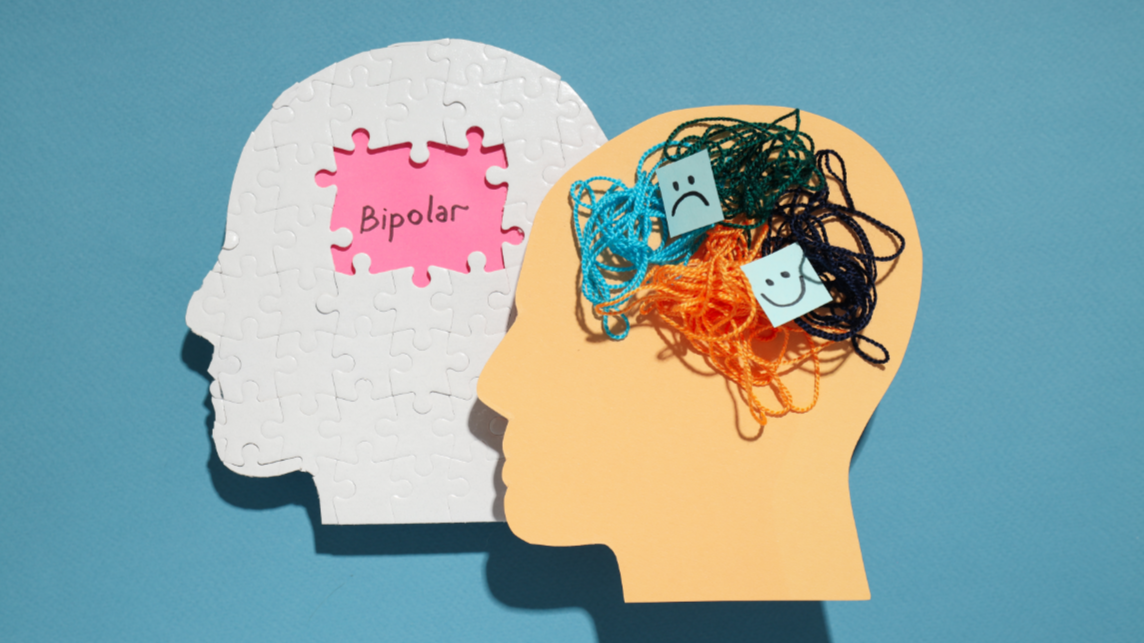
Bipolar disorder
Bipolar disorder is a chronic mental health condition characterised by significant mood swings, ranging from extreme highs (mania or hypomania) to extreme lows (depression). These mood changes can significantly impact a person's daily life, affecting their energy levels, thinking, and behaviour.
They can have manic or hypomaniac episodes where bipolar individuals experience heightened energy, increased activity, racing thoughts, and irritability. Hypomania is a milder form of mania but still involves elevated moods and energy.
They can also have depressive episodes where bipolar individual experiences feelings of sadness, hopelessness, low energy, and a loss of interest in activities.
There are many different types of bipolar disorder, including Bipolar I, Bipolar II, and Cyclothymic disorder, each with varying degrees of severity.
The extreme mood swings have significant impact on daily life. It is exacerbated by disruption of work, relationships, and other aspects of daily life.
Antisocial Personality Disorder (ASPD)
Antisocial Personality Disorder (ASPD) individuals are affected by how they think, feel, and interact with others. They have persistent patterns of manipulation, deceit, exploitation, and a disregard for the rights and feelings of others. They may frequently violate social norms and laws, and they typically show little to no remorse for their actions.
Because of these traits, ASPD individuals can pose a significant risk of causing physical or emotional harm to themselves and others.
Oppositional Defiance Disorder (ODD)
Oppositional Defiant Disorder (ODD) is the persistent pattern of negative, defiant, and hostile behaviour that is directed at authoritative figures such as parents, teachers, and other adults.
ODD individuals may frequently lose their temper, argue with adults, refuse to follow instructions, and deliberately annoy others—sometimes appearing to take satisfaction in doing so. They are often easily irritated, quick to anger, and may blame others for their own mistakes or misbehaviour.
Additionally, they may exhibit spiteful or vindictive behaviour, showing a strong desire to retaliate or seek revenge.
Pathological Defiance Avoidance (PDA)
Pathological Demand Avoidance (PDA) is not currently recognised as a separate clinical diagnosis but is considered a profile within the Autism Spectrum Disorder (ASD). It is characterised by an extreme avoidance of everyday demands and expectations, often resulting in intense "fight," "flight," or "freeze" responses. However, their responses are typically rooted in anxiety and a need to feel safe and in control. This can lead to emotional outbursts, shutdowns, or meltdowns when they feel overwhelmed.
Distraction, procrastination, or threats may be expressed by PDA individuals to avoid demands. They can display impulsive behaviour and may act without considering consequences. While they often appear sociable, they may have difficulty understanding or adhering to social norms and expectations.
Their behaviour can be frequently misinterpreted as defiance, stubbornness, or manipulation. Their frustrations are exhibited with meltdowns, shutdowns, or other intense emotional reactions when overwhelmed by demands. Effective support for individuals with PDA involves empathy, flexibility, and reducing perceived pressure, rather than relying solely on traditional behavioural approaches.
Autism Spectrum Disorder (ASD) or Autism
Autism Spectrum Disorder (ASD) or Autism is a neurodevelopmental condition affecting how people communicate, interact socially, and experience the world. It affects individuals in different levels of severities. It is a spectrum, and no individual is the same. Each person has unique strengths and challenges; some may have more significant needs to support daily life. Some people are diagnosed earlier whilst others are identified much later in life.
ASD individuals may have challenges in social communication and interaction differences with understanding and responding to social cues, engaging in reciprocal conversations, and forming relationships. They have repetitive movements such as hand-flapping or rocking, fixated interests, and a need for routines with no expected and unexpected change. They also experience heightened or reduced sensitivity to sensory input such as sounds, lights, smells, or touch.
Autistic individuals often excel in pattern recognition, attention to detail, and maintaining focus on specific interests.
ASD individuals and their families can benefit from various therapies, educational support, and community resources.