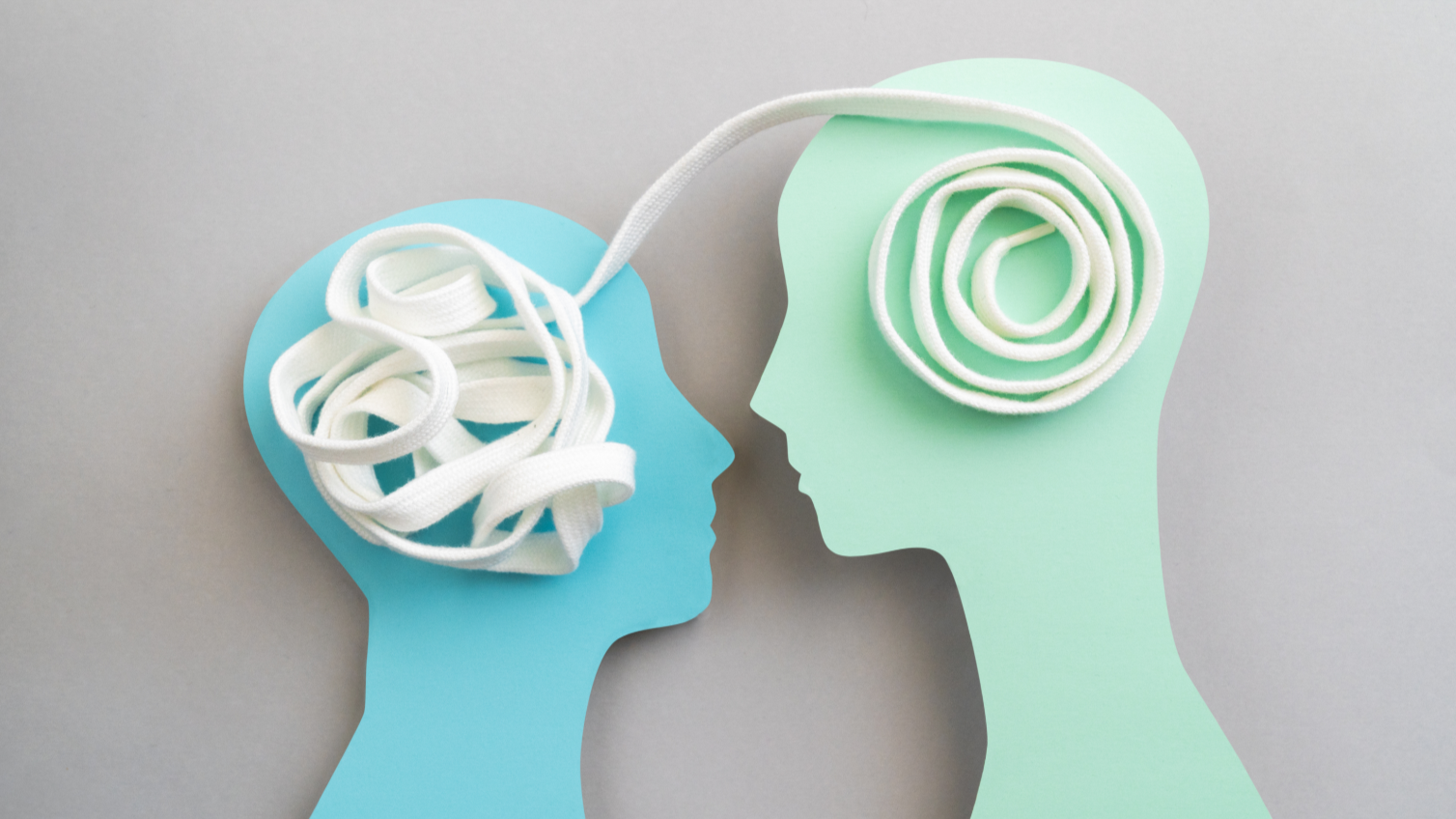
Empathy, compassion, celebration
Neurodiversity, emerged in the late 1990s and early 2000s, which celebrates neurological differences as natural variations in brain function rather than disorder. It was advocated by autistic individuals and their supporters, who sought to change the focus from deficits to strengths and to promote acceptance and inclusion of individuals with diverse neurological profile.
In Australia, an estimated 30% to 40% of the population is neurodivergent, meaning their brain functions differently than the majority (1). Whilst various sources suggest these numbers, the Australian Bureau of Statistics (ABS) outlines that 11% of those surveyed in the 2022 Employee Census identified as neurodivergent. However, the Australian Institute of Health and Welfare (2) indicates that 1 in 6 Australians (18%) had a disability in 2018. Within this group, 23% had mental or behavioural conditions as their main health condition. The Australian Public Service Commission (3) also found that 7.7% of its employees considered themselves neurodivergent. This means a significant portion of Australians experience neurological differences, including those with ADHD, autism, dyslexia, dyspraxia, and dyscalculia. While these differences are not typically considered disabilities, they can impact how individuals learn, work, and interact with the world. Globally, the neurodiverse population is about 15-20% (4).
The word neurodiversity first appeared in publication in 1998, in an article by American journalist Harvey Blume (5) as a portmanteau of these words, neurological diversity.
Judy Singer is widely credited with being the first person to advocate for neurodiversity and use the term "neurodiversity" in her 1998 honours thesis. She is a self-advocate and sociologist who coined the term in her thesis, titled "Odd People In: The Birth of Community Amongst People on the Autism Spectrum. A Personal Exploration of a New Social Movement Based on Neurological Diversity,".
Judy Singer's work focused on shifting the understanding of autism from a medicalised disability to a new social movement, emphasising the need for inclusion and acceptance of neurological differences. She explored the rise of autistic advocacy and its similarities and differences with other social movements.
While the concept of neurological diversity existed prior to Singer's work, she is credited with formally introducing and defining it as a distinct social movement. Interestingly, Singer has distanced herself from the expansion of the term neurodiversity outside of her original focus on "high functioning" autism awareness when coining the term, stating: “I was very clear in my thesis that I was only talking about Asperger’s”.
Nevertheless, today the term “neurodiversity” is a widely accepted concept that celebrates the natural diversity of human brains and minds. It emphasises natural variation of the way a brain works rather than defects that need to be treated. Recently, there has been emphasis for neurodiversity-affirming practices to recognise and support neurodivergent people and their parents and guardians.
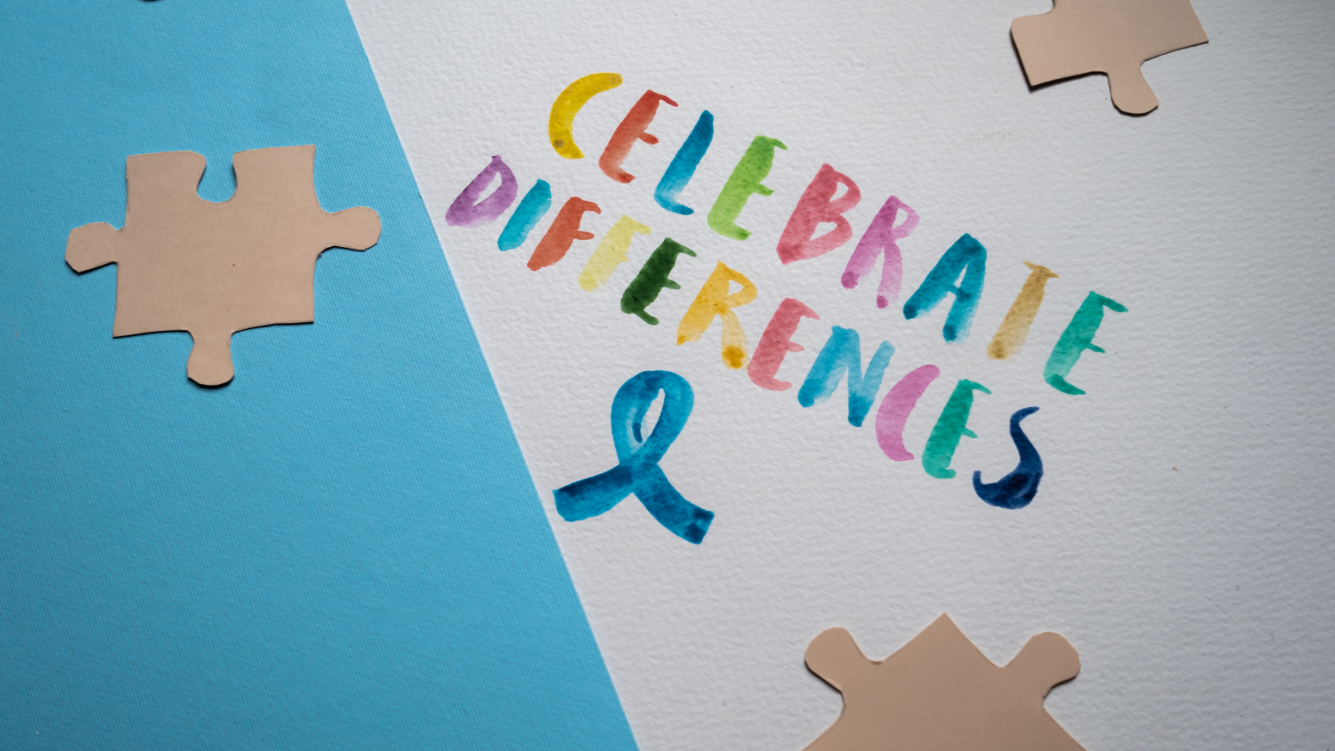

Neurodivergent people and their carers experience social isolation as they experience difficulties in communication, relationship with others, and prejudice. This negative experience can be mitigated by increasing awareness and understanding of neurodiversity, such as raising awareness through training and events. With empathy, more inclusive communities can be created. With increase in empathy and education, inclusive communities will compassionately thrive. Richer and safer learning environments will be created, not only for the neurodiverse but for the neurotypical too.
Neurodiverse people often experience unique emotional and behavioural symptoms, such as difficulty with social interactions, clumsiness, heightened anxiety, reluctance to conform, difficulty with focusing, sensors sensitivities (light, sound, touch, smells), and repetitive behaviours. Social communication, such as difficulty reading facial expressions or understanding sarcasm, is another challenge.
Being more inclusive in the built environment will be not only beneficial for neurodiverse people but the neurotypical as well. By embracing neurodiversity, we can be more inclusive and accepting. By focusing on neurodivergent individuals’ strength, it encourages a broader understanding and harnessing their potential. By celebrating the natural variations in the human brain function and behaviour, we can create a more inclusive and compassionate society that values the unique strengths, differences, and perspectives of all individuals.
References:
Pacor, G. (2024, July 22). Have you heard about “the hidden workforce”? Here’s what you need to know. Australian Industry Group. https://www.australianindustrygroup.com.au/resourcecentre/resource-centre-blogs/hr-blogs/have-you-heard-about-the-hidden-workforce-heres-what-you-need-to-know/
Australian Institute of Health and Welfare. (2024). People with disability in Australia. Retrieved from https://www.aihw.gov.au/reports/disability/people-with-disability-in-australia
Australian Public Service Commission. (2023). Neurodivergence in the APS (Research Note No. 09-23). https://www.apsc.gov.au/sites/default/files/2023-11/RN%2009-23%20-%20Neurodivergence%20in%20the%20APS.pdf (Publication by the People Insights Branch, Australian Public Service Commission)
Doyle, N. (2020). Neurodiversity at work: A biopsychosocial model and the impact on working adults. British Medical Bulletin, 135(1), 108–125. https://academic.oup.com/bmb/article/135/1/108/5913187
Blume, H. (1998, September). Neurodiversity: On the neurological underpinnings of geekdom. The Atlantic. https://www.theatlantic.com/magazine/archive/1998/09/neurodiversity/305909/